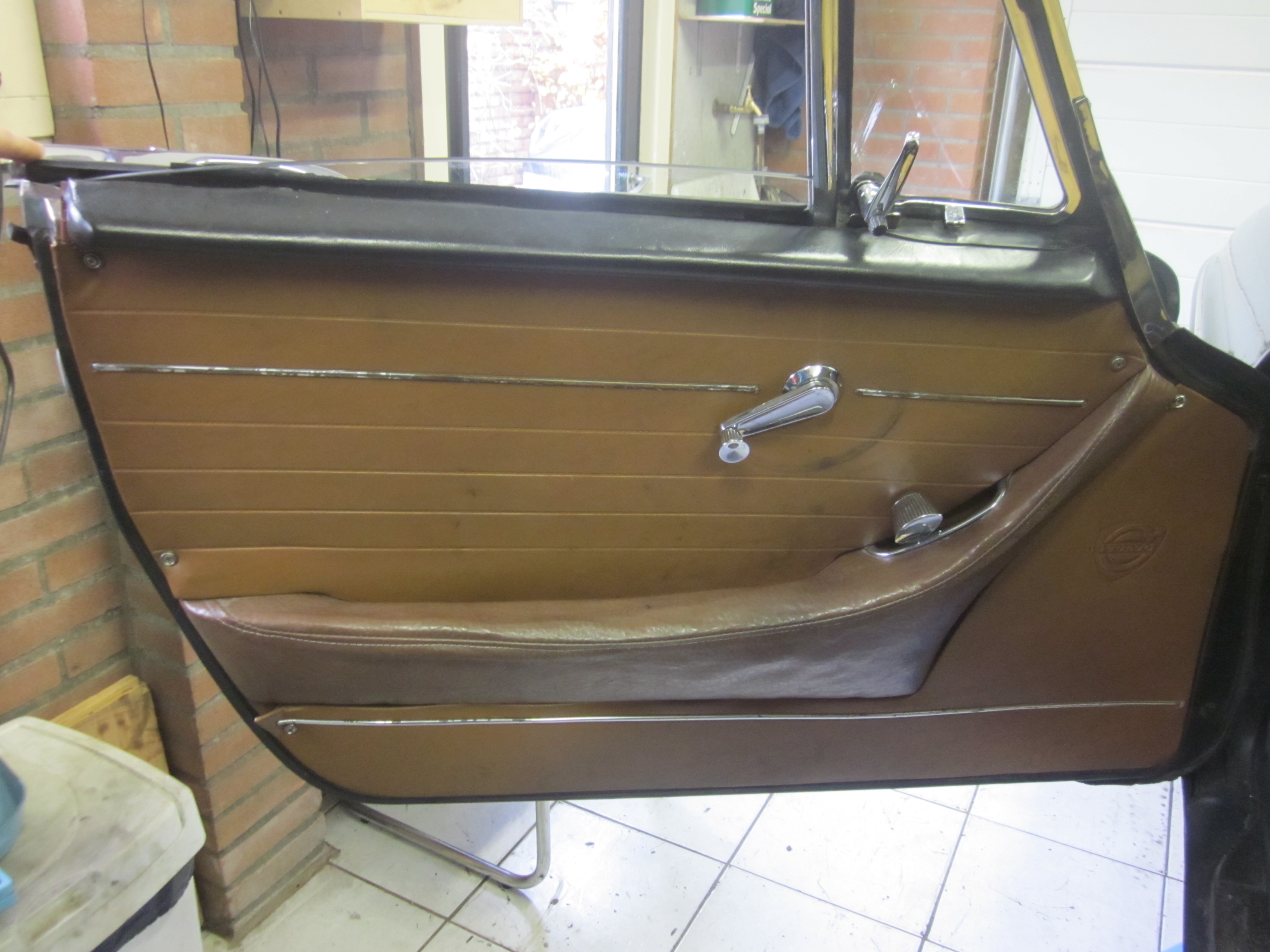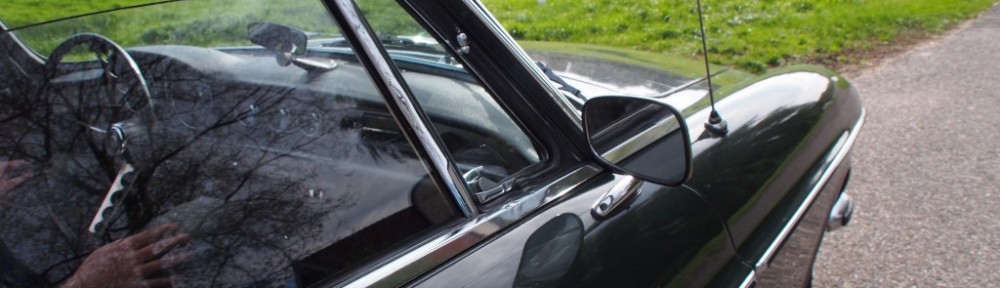
Scraping sealant

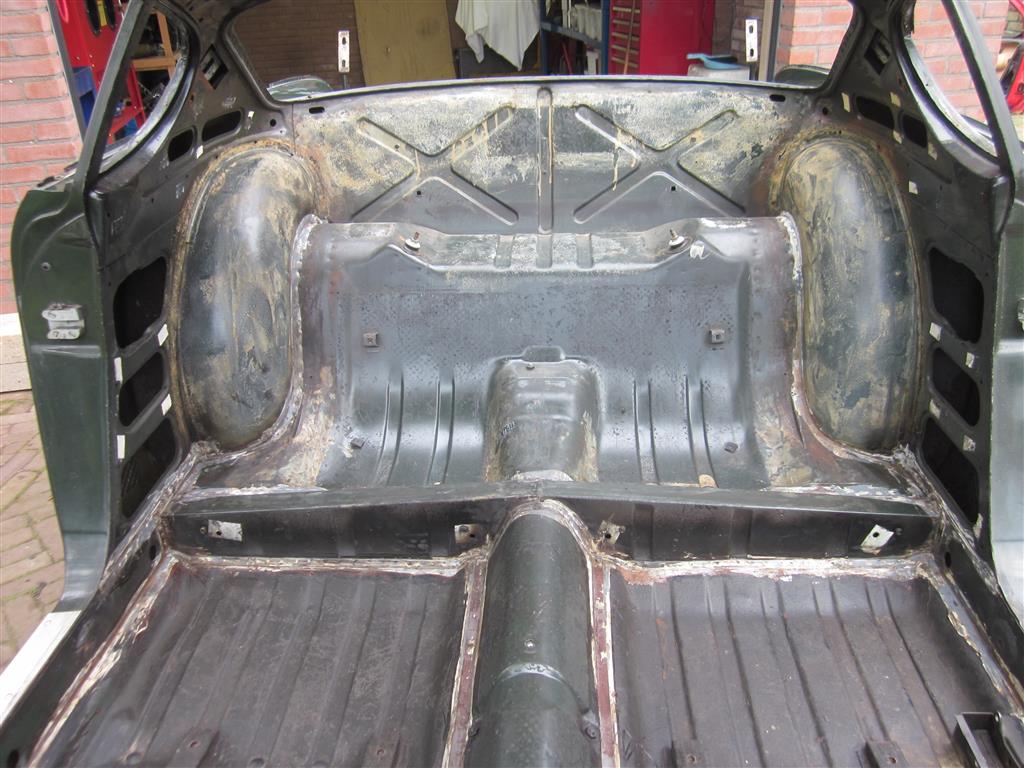
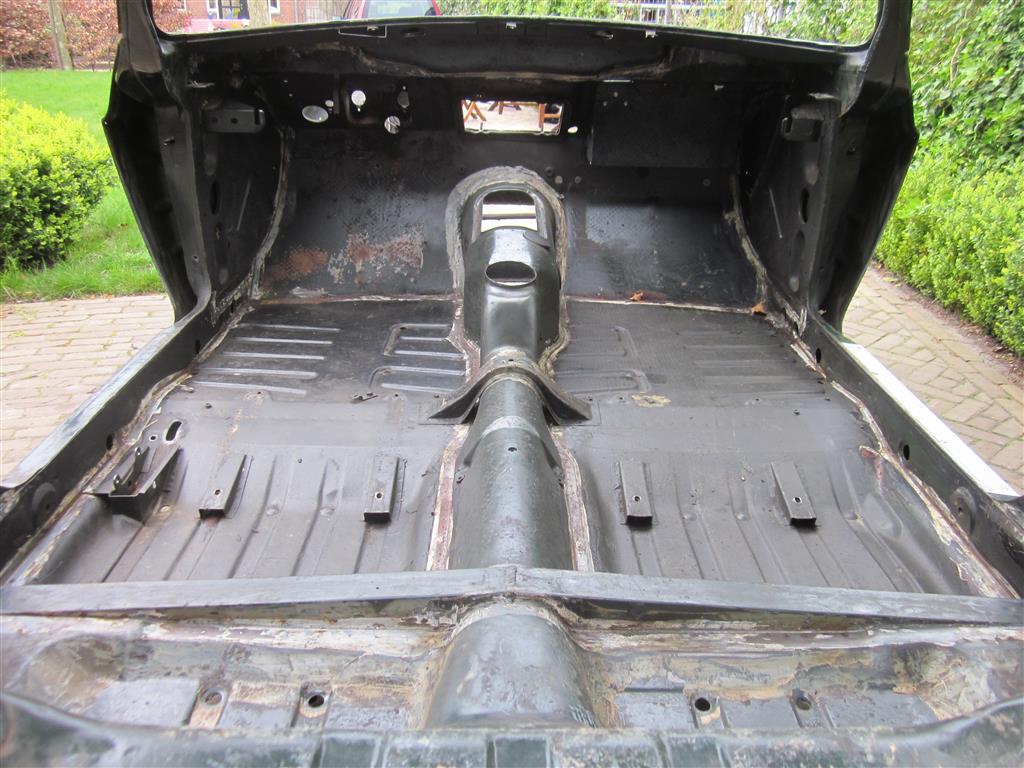
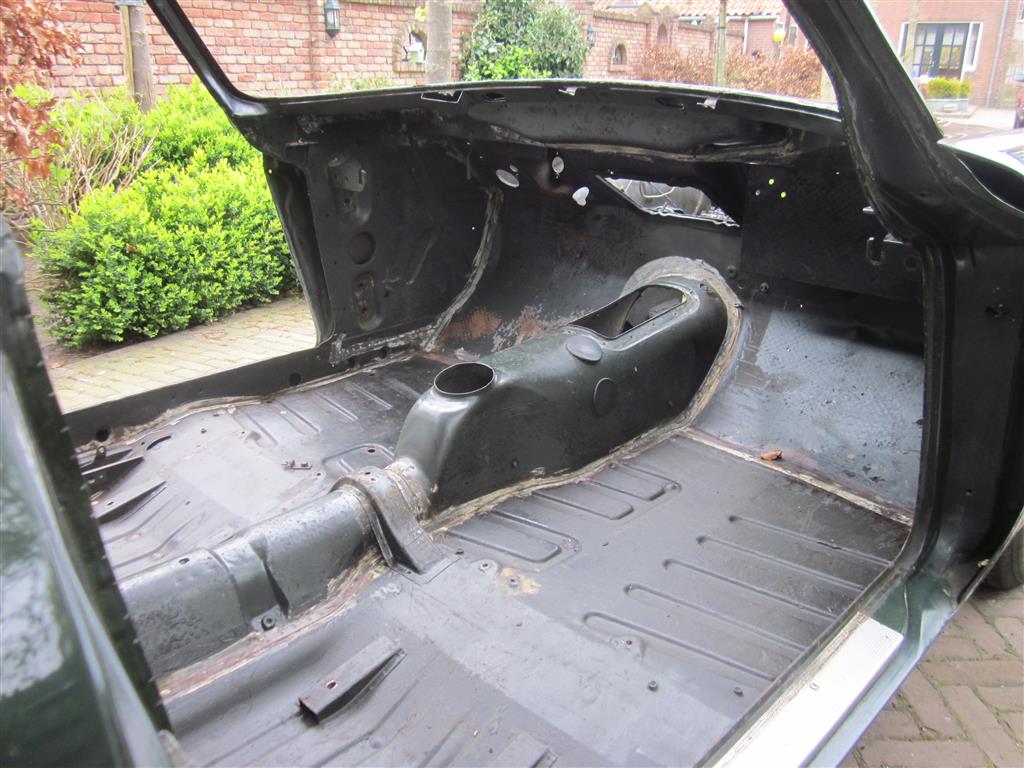
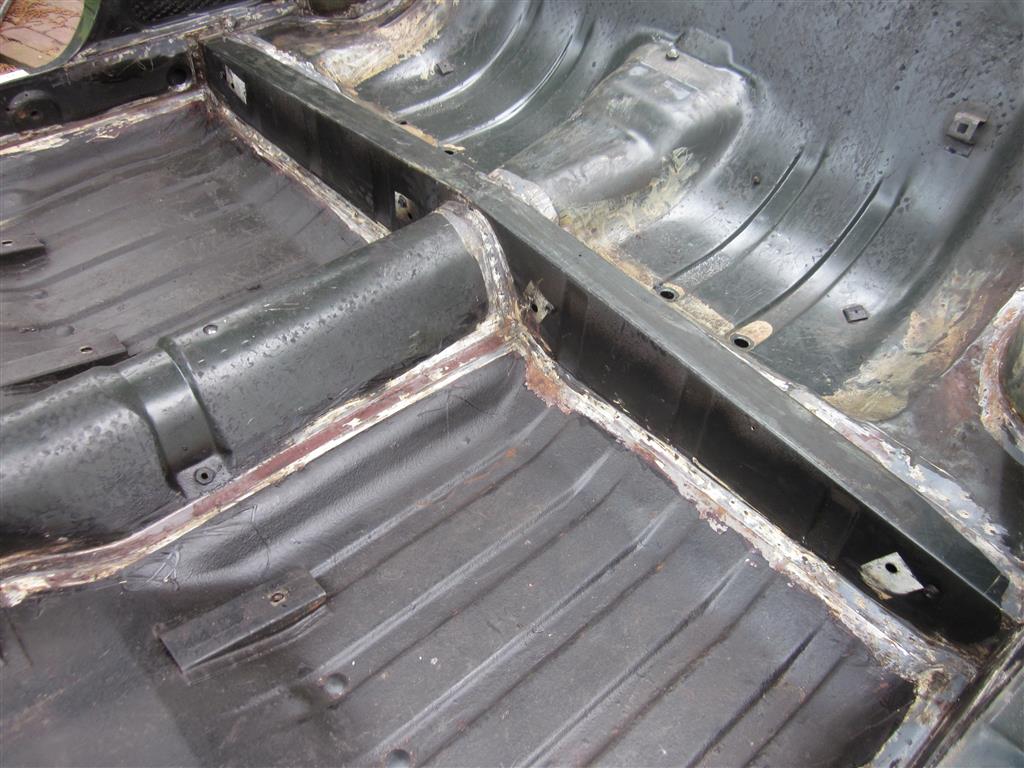
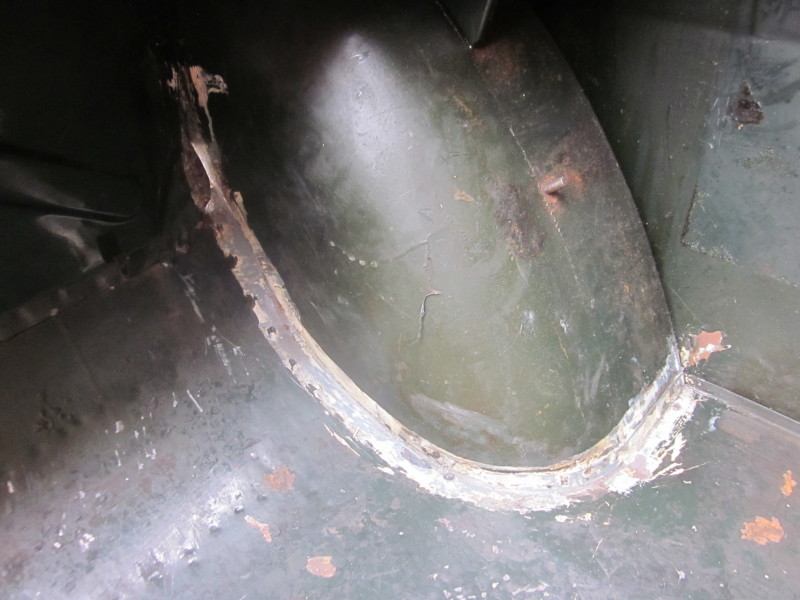
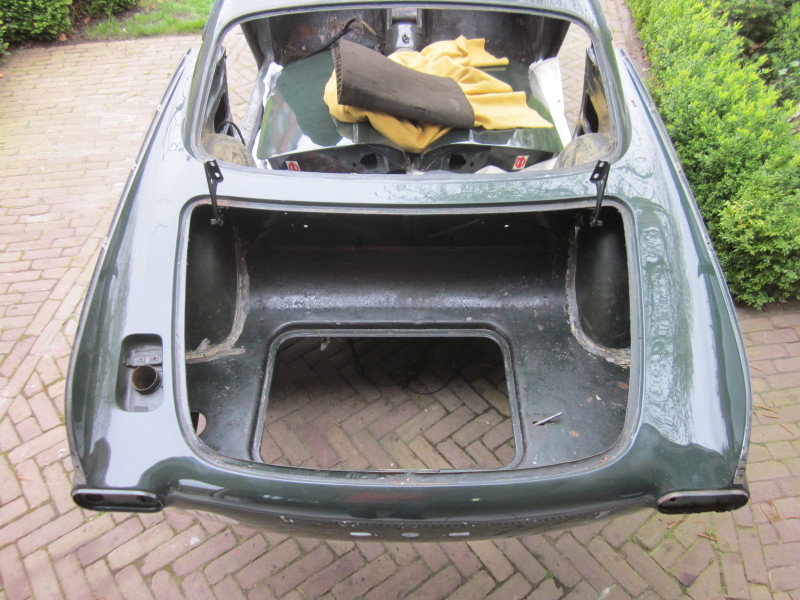
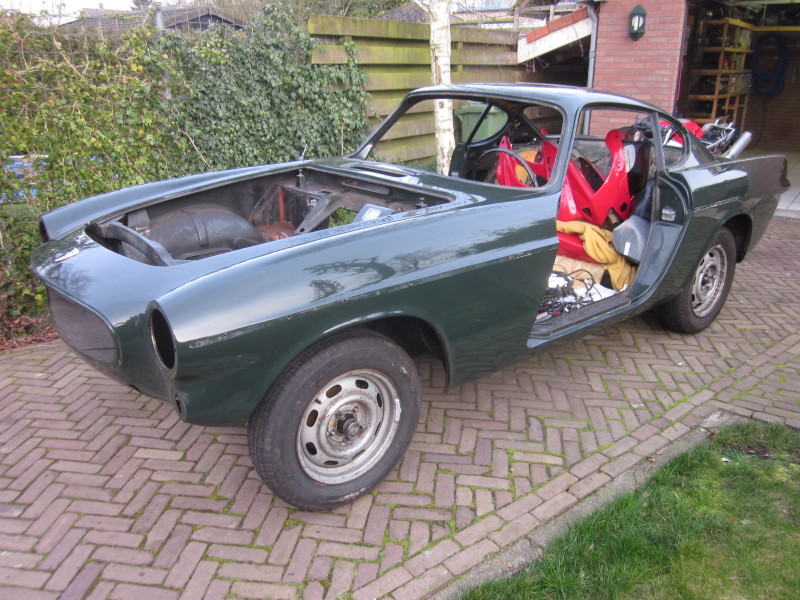
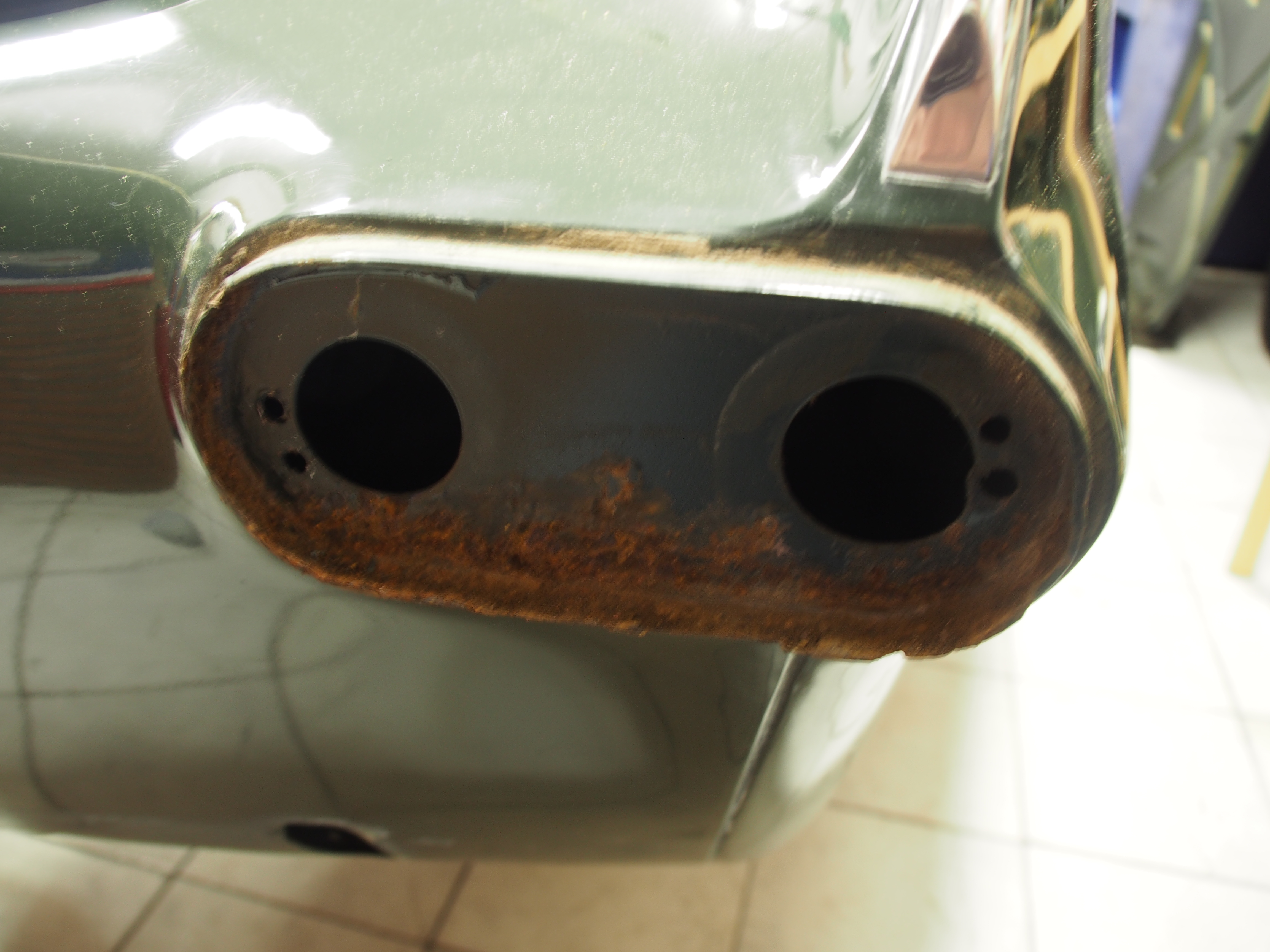
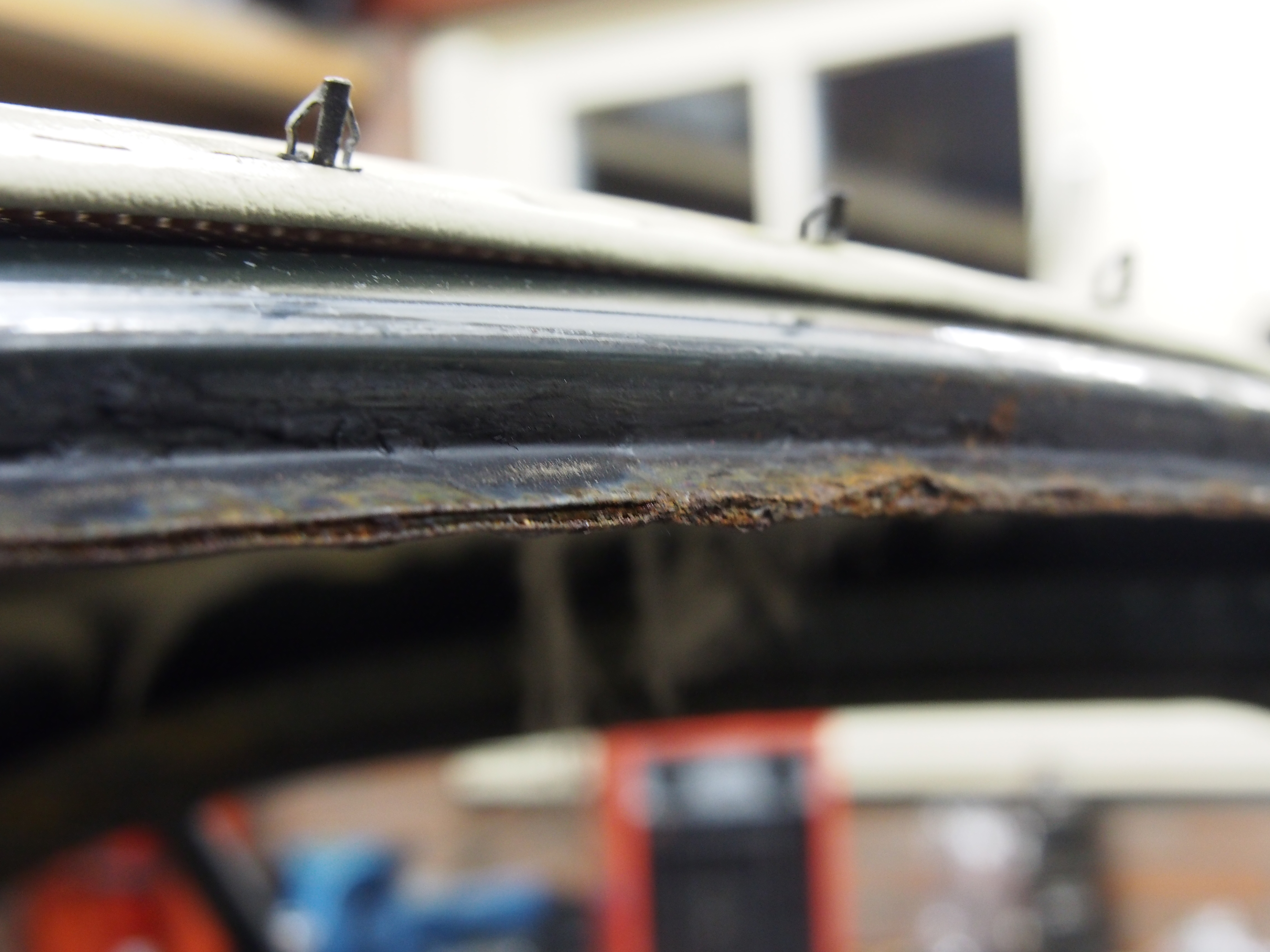
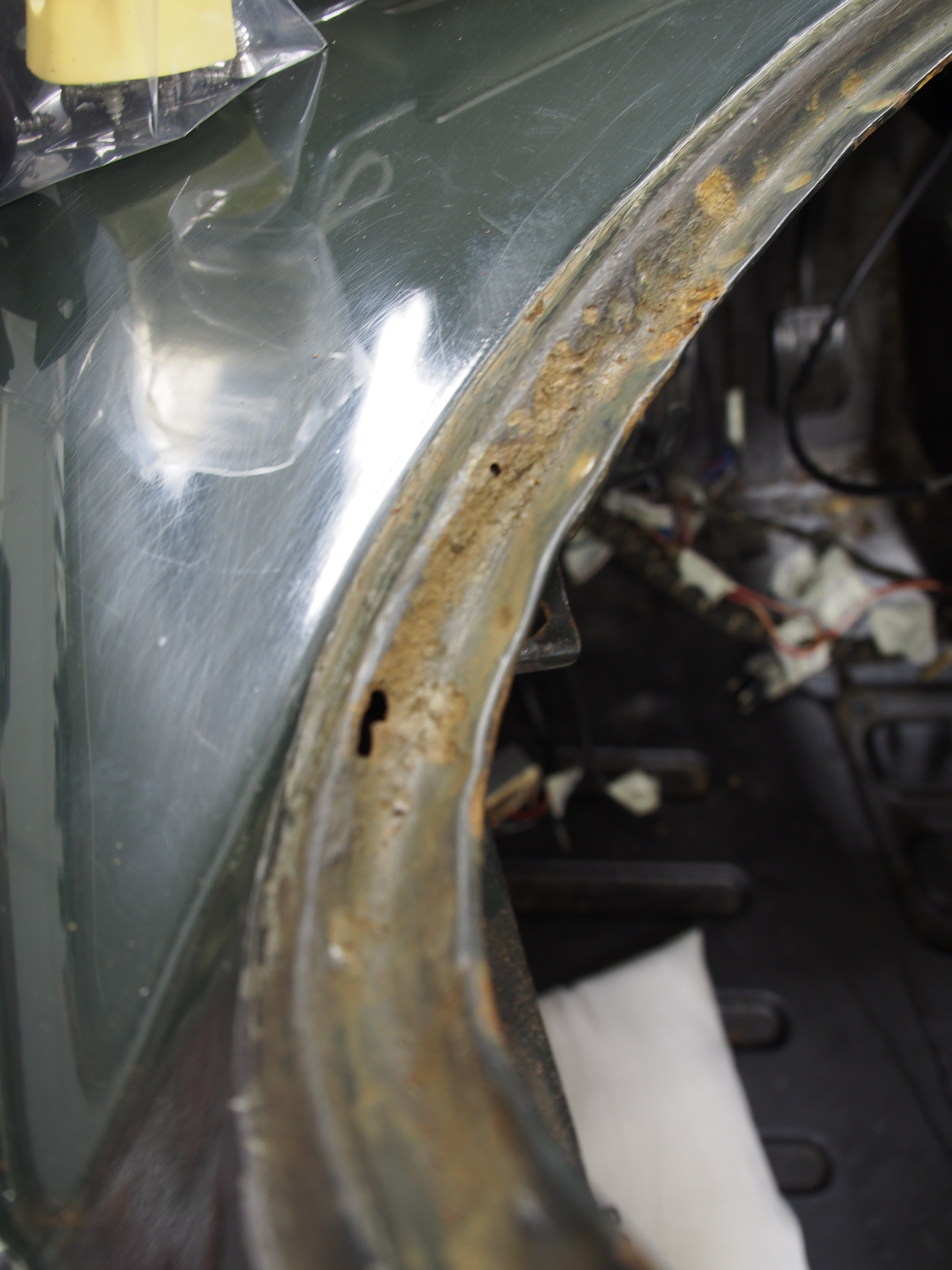
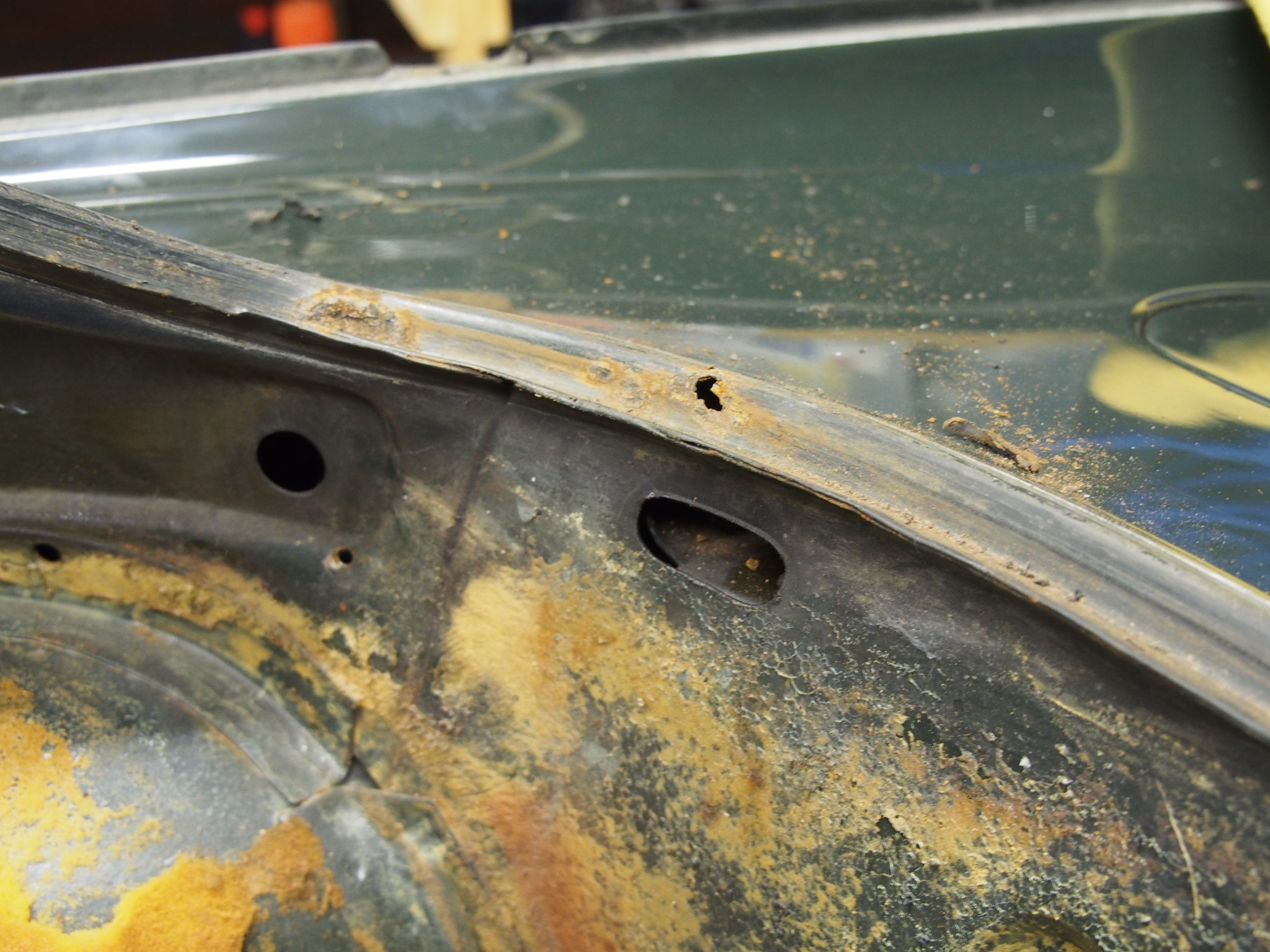
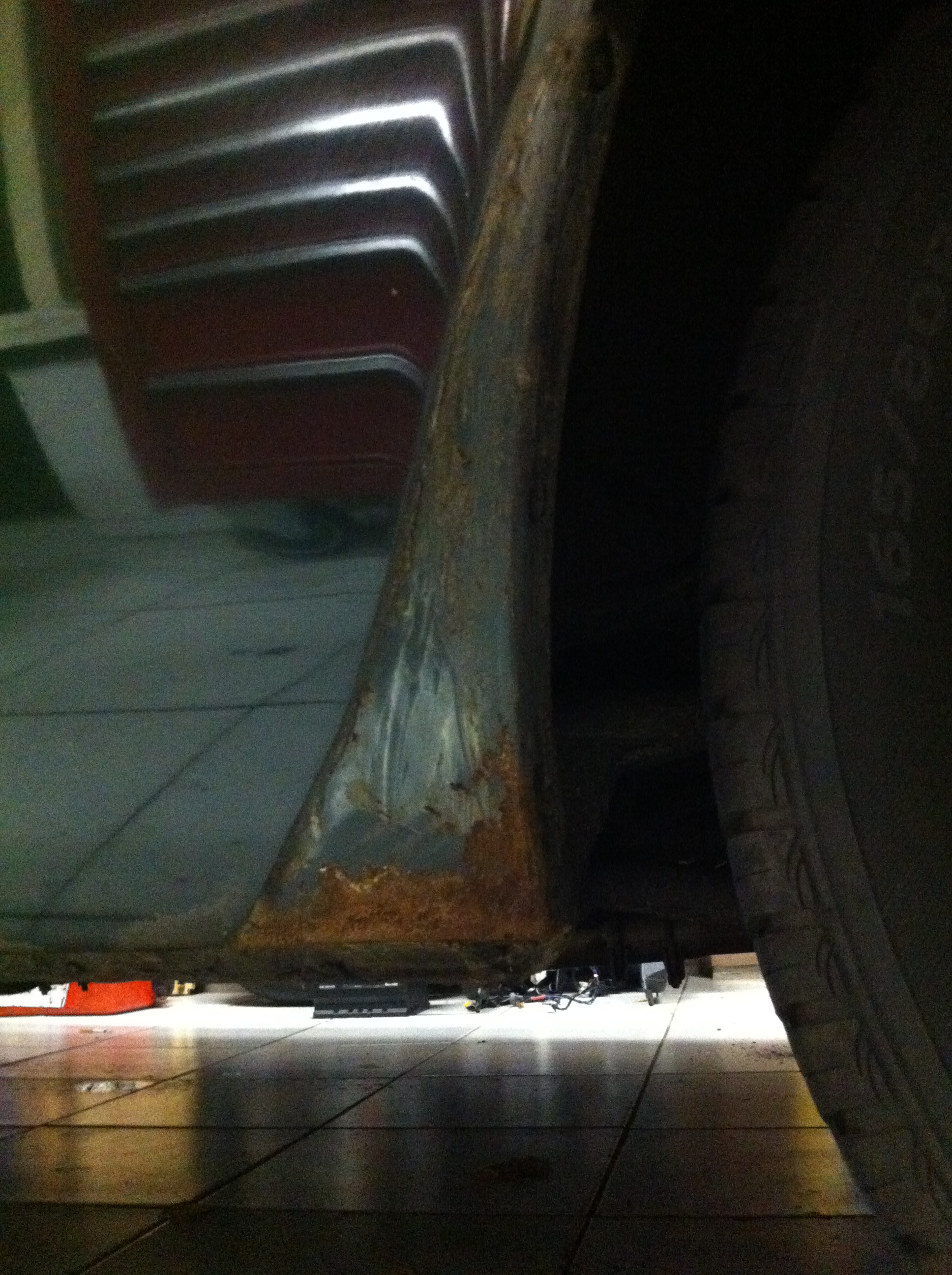
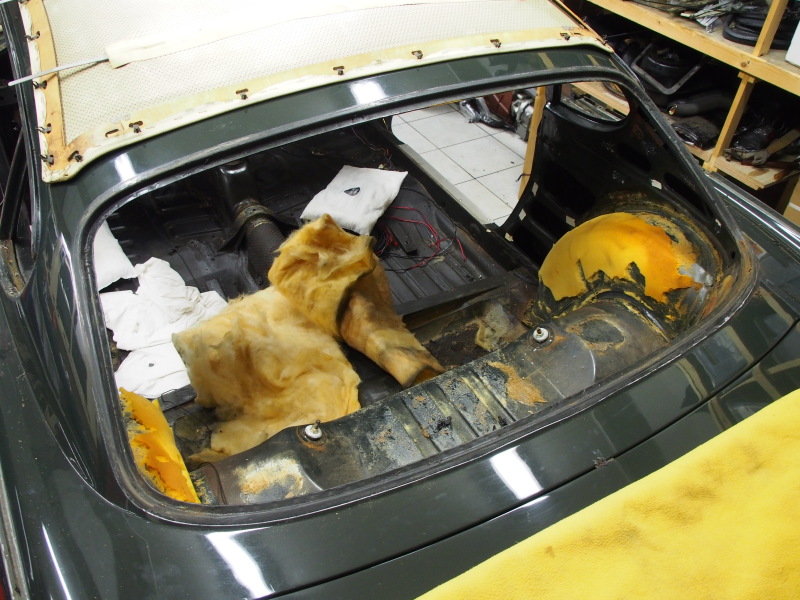
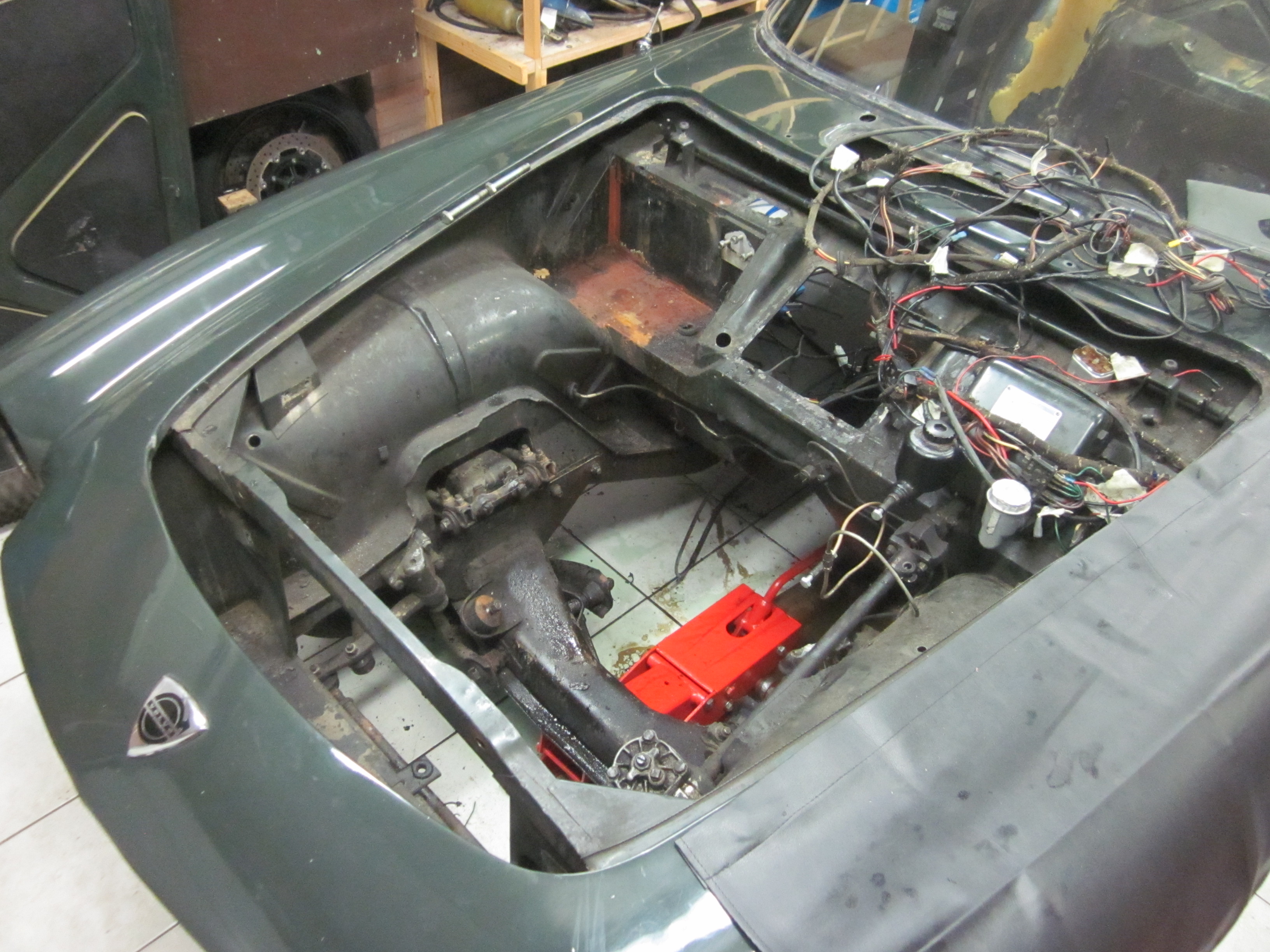
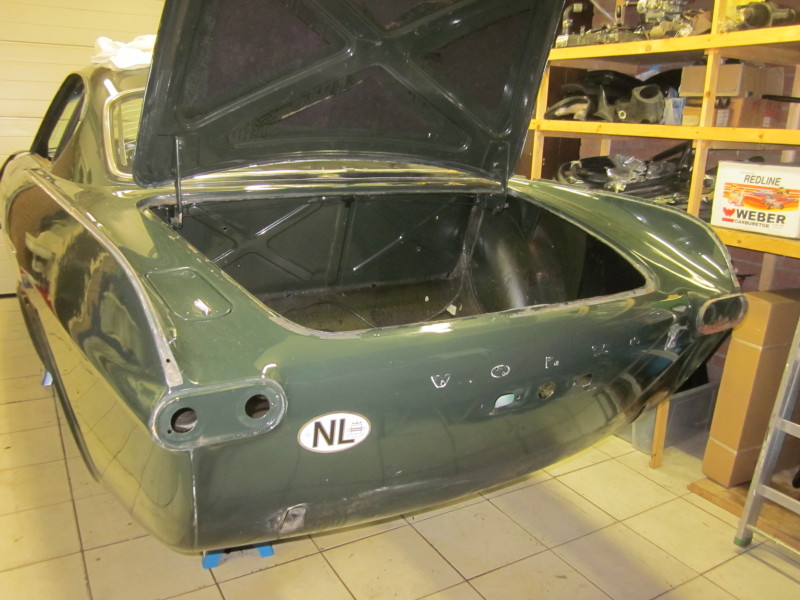
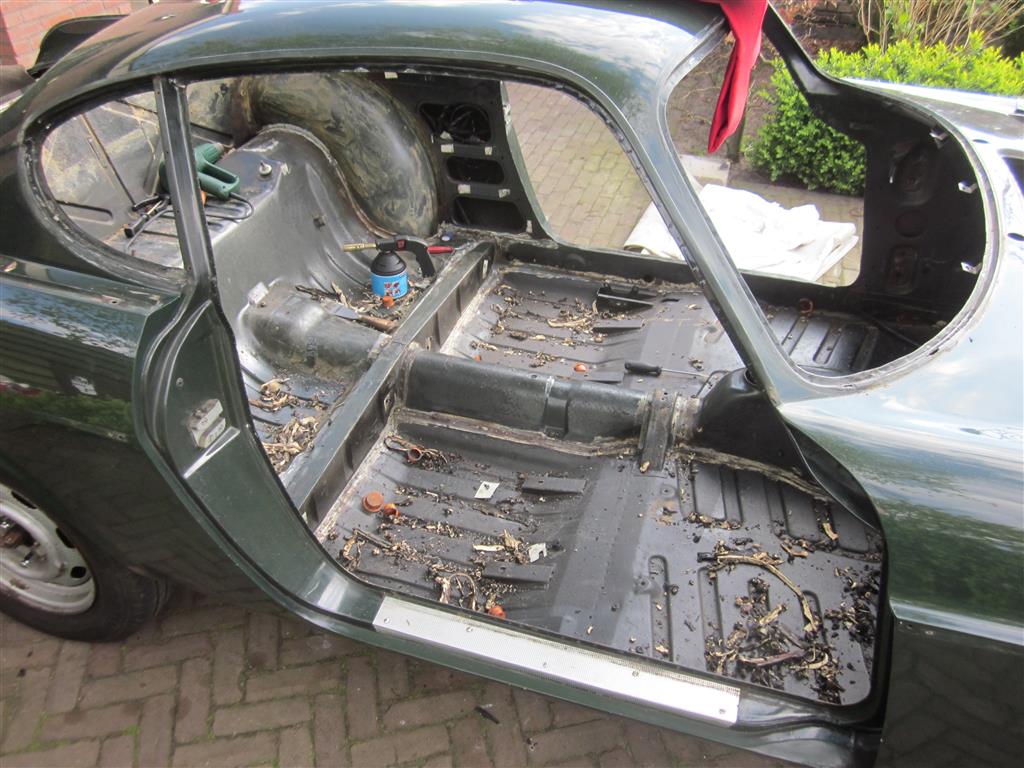
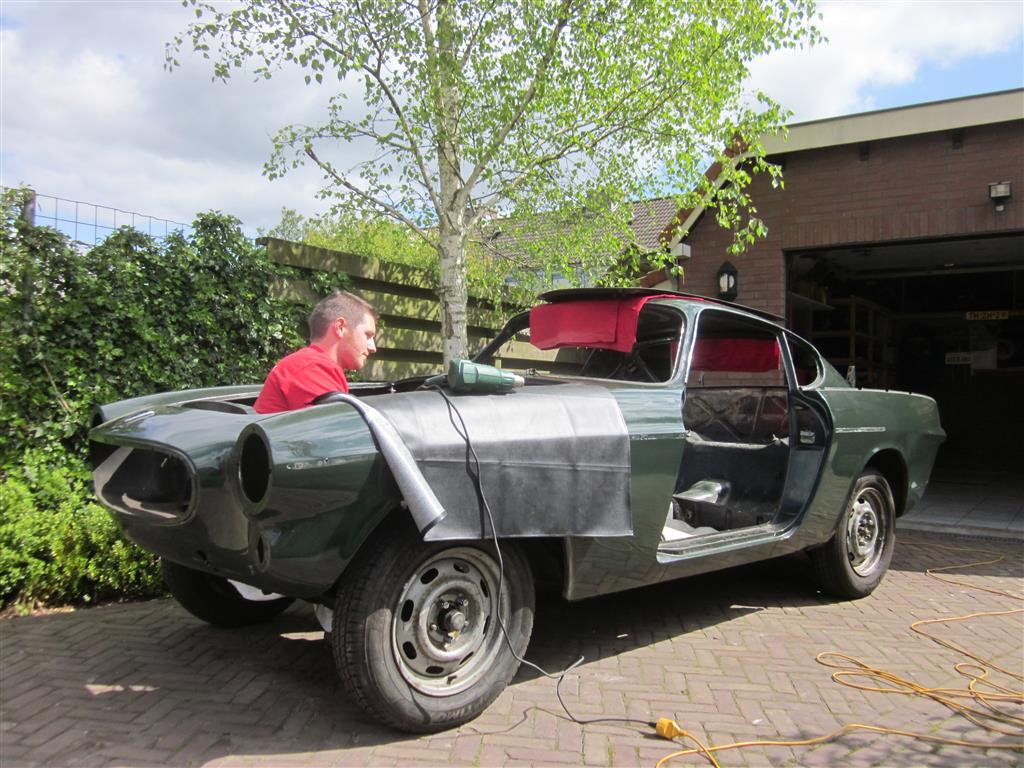
I’m finished with scraping of the seam sealant. And at 2 or 3 places I found a little bit of rust behind the coating.

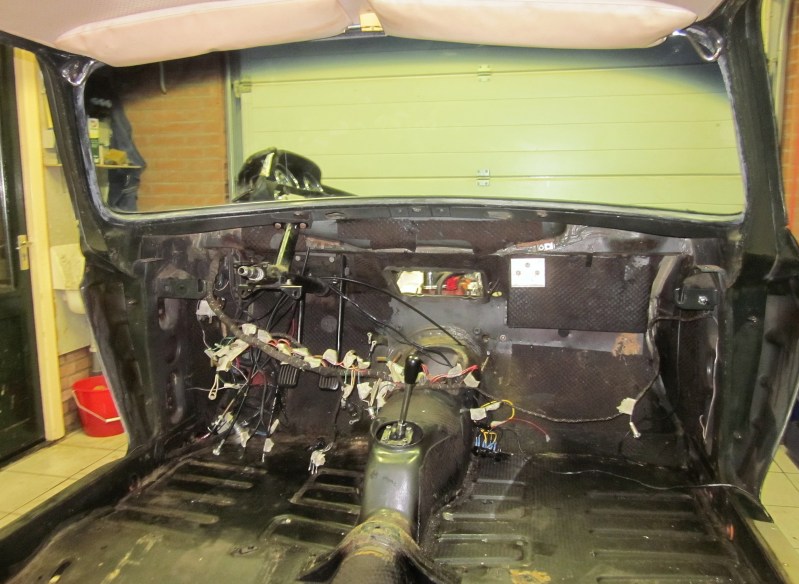
With a small blowtorch and a lot of patience, I got it almost all removed from the interior (trunk, engine bay and interior). I hope it’s good enough for the sand blasting guys. Next is the lower side of the body. The lower side is really going to be alot of work. When the car is painted again I’m not going to use Tectyl again, I want to use something like Dinitrol. This because dinitrol is transparent and this way you can see if there are rusty spots forming over time. With Tectyl you cannot see this. I guess Dinitrol is not as tough as Tectyl, so it provides less protection, but at least you can still see the metal.

AfbeeldingAfbeelding

Cleaned up the inside.

AfbeeldingAfbeeldingAfbeeldingAfbeelding

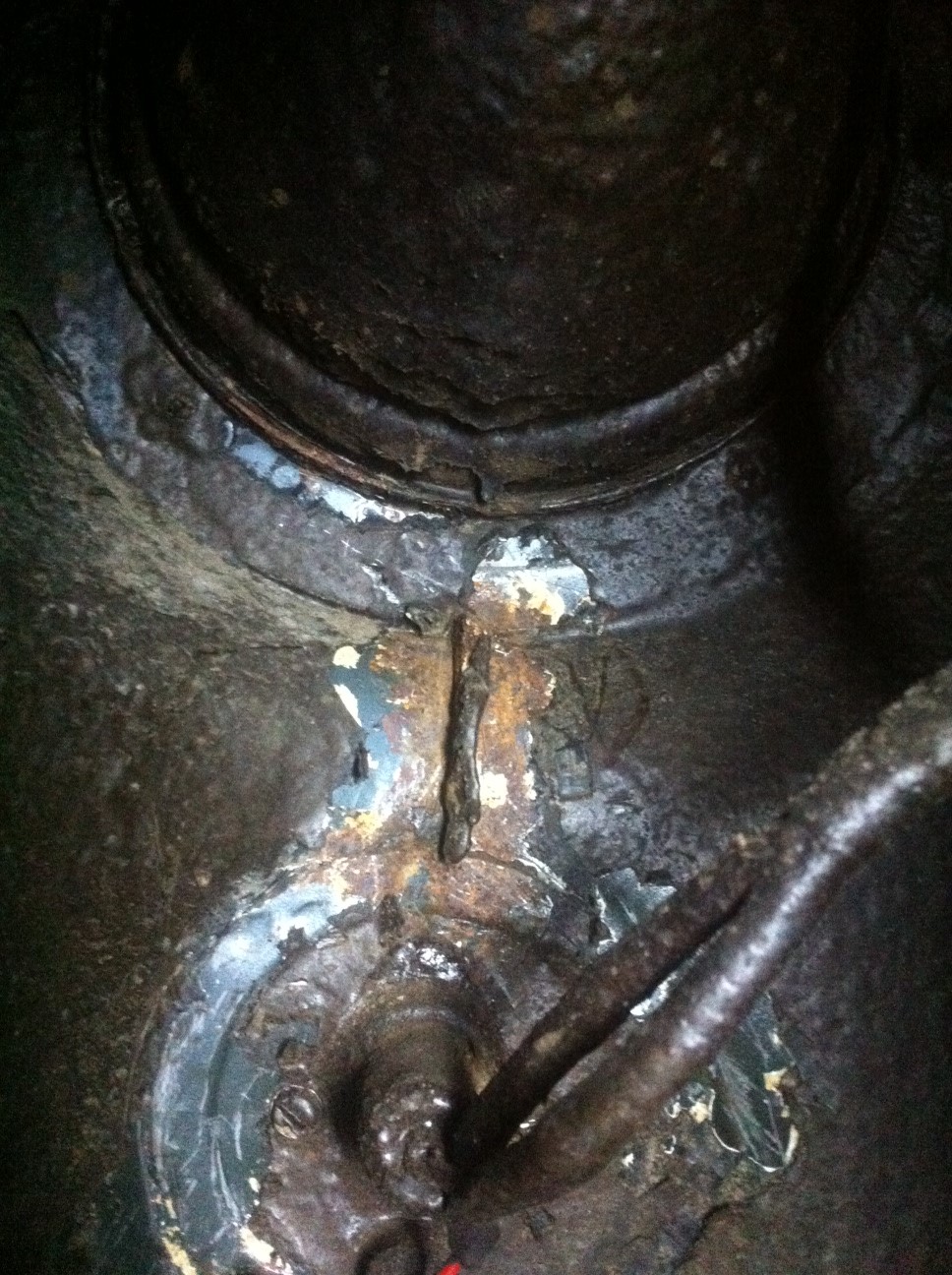
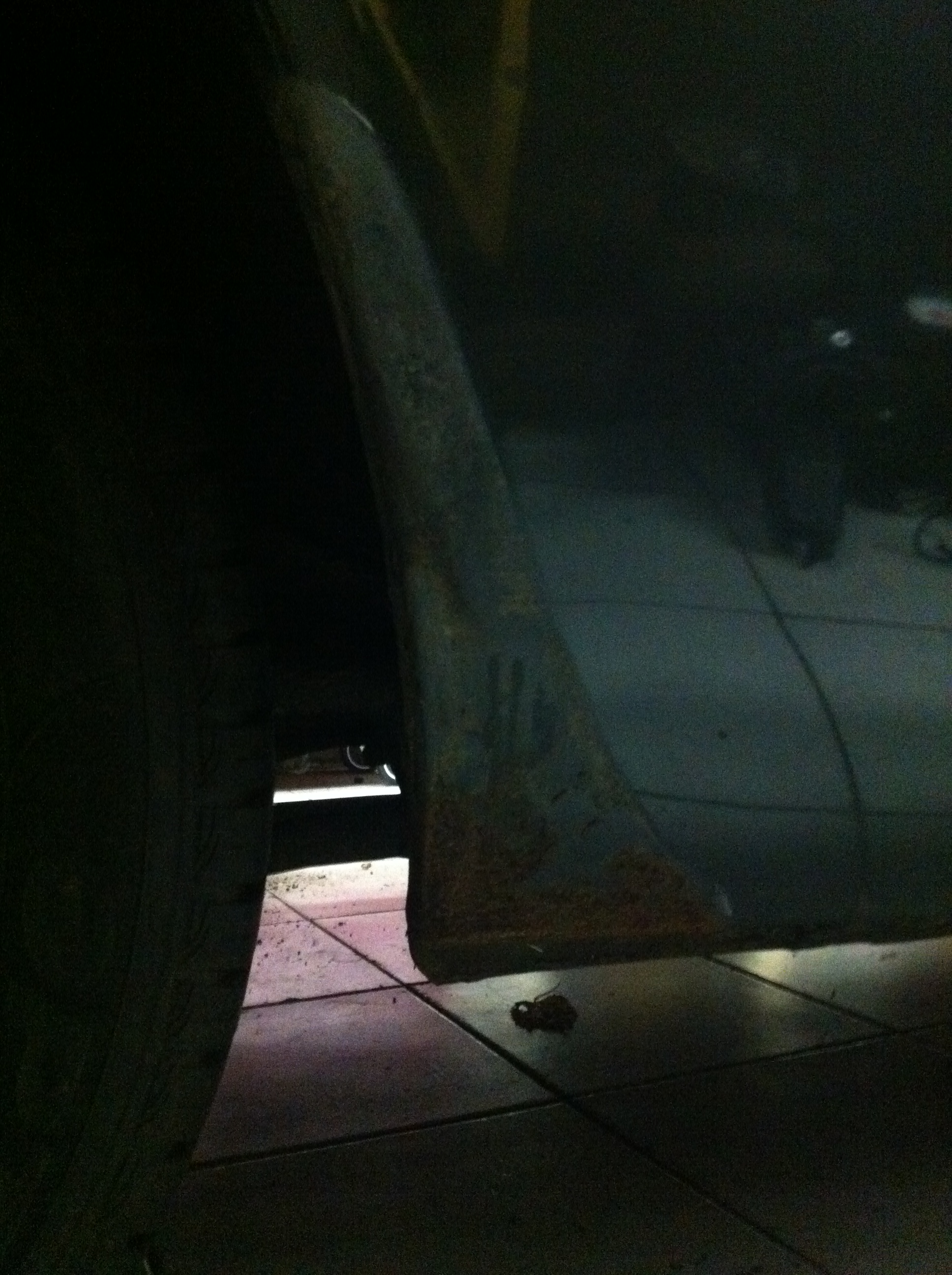
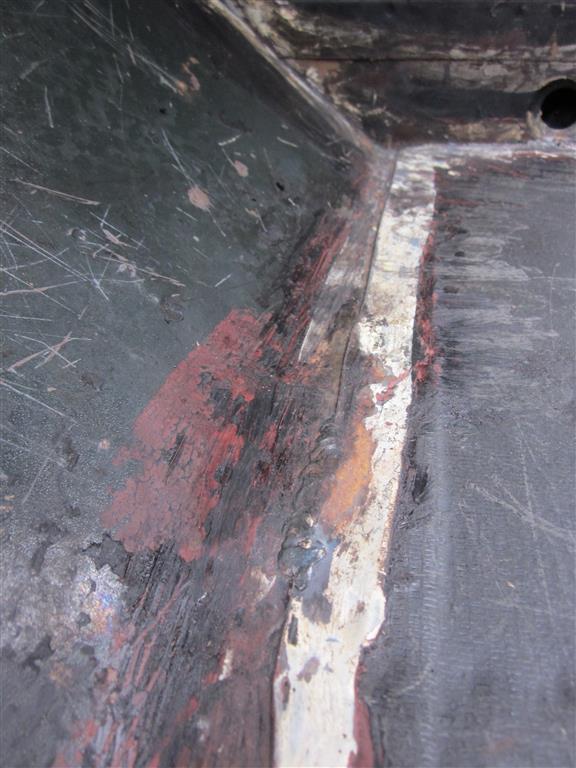
A strange weld at the front. I guess I’m gonna find some more repairs at the lower side of the car, but it would be strange if I wouldn’t find any repairs on a 47 year old car.
Afbeelding

I’m getting to know the car inside and out.
IMG_2581 (Medium)

ID tags

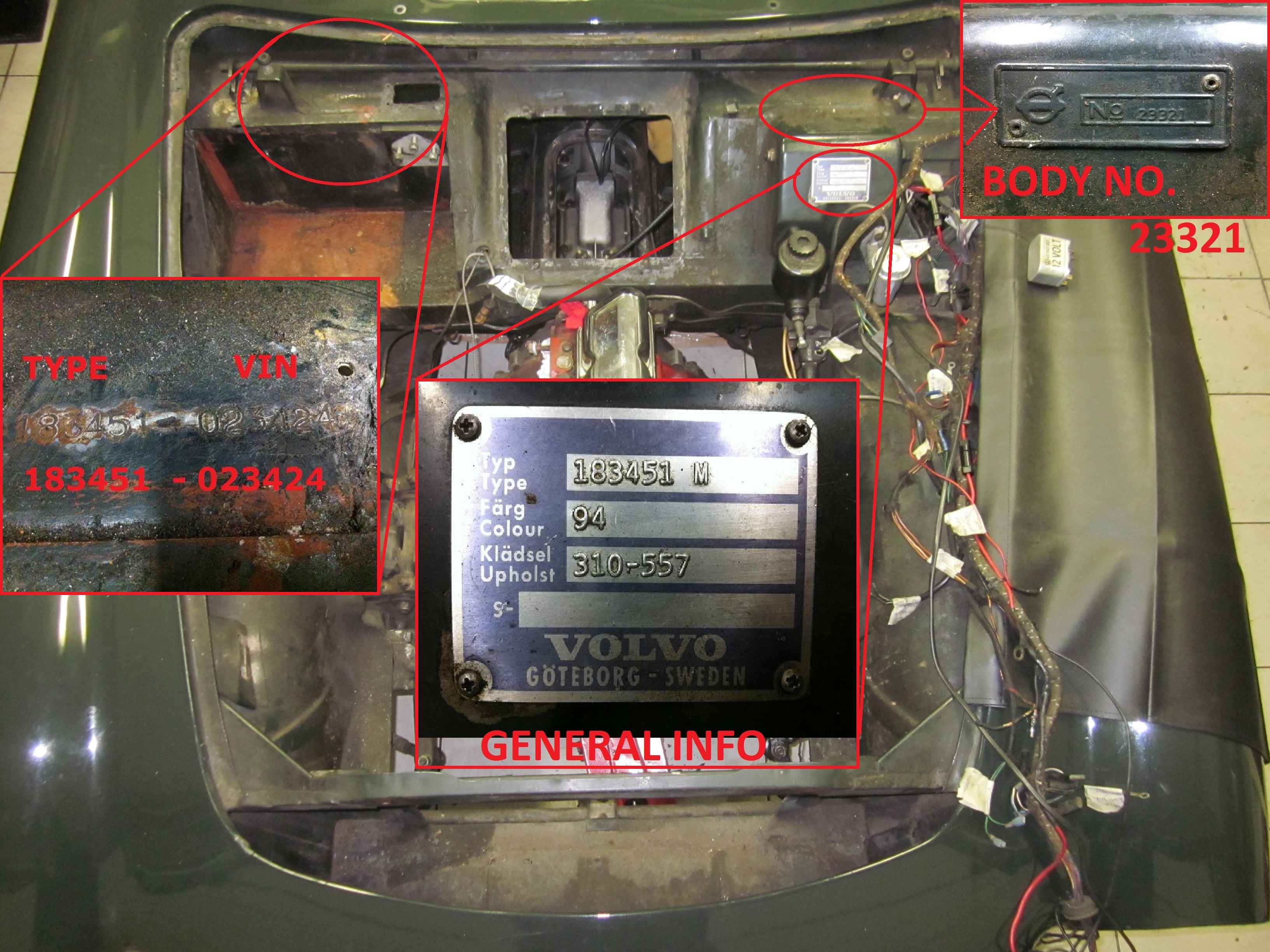
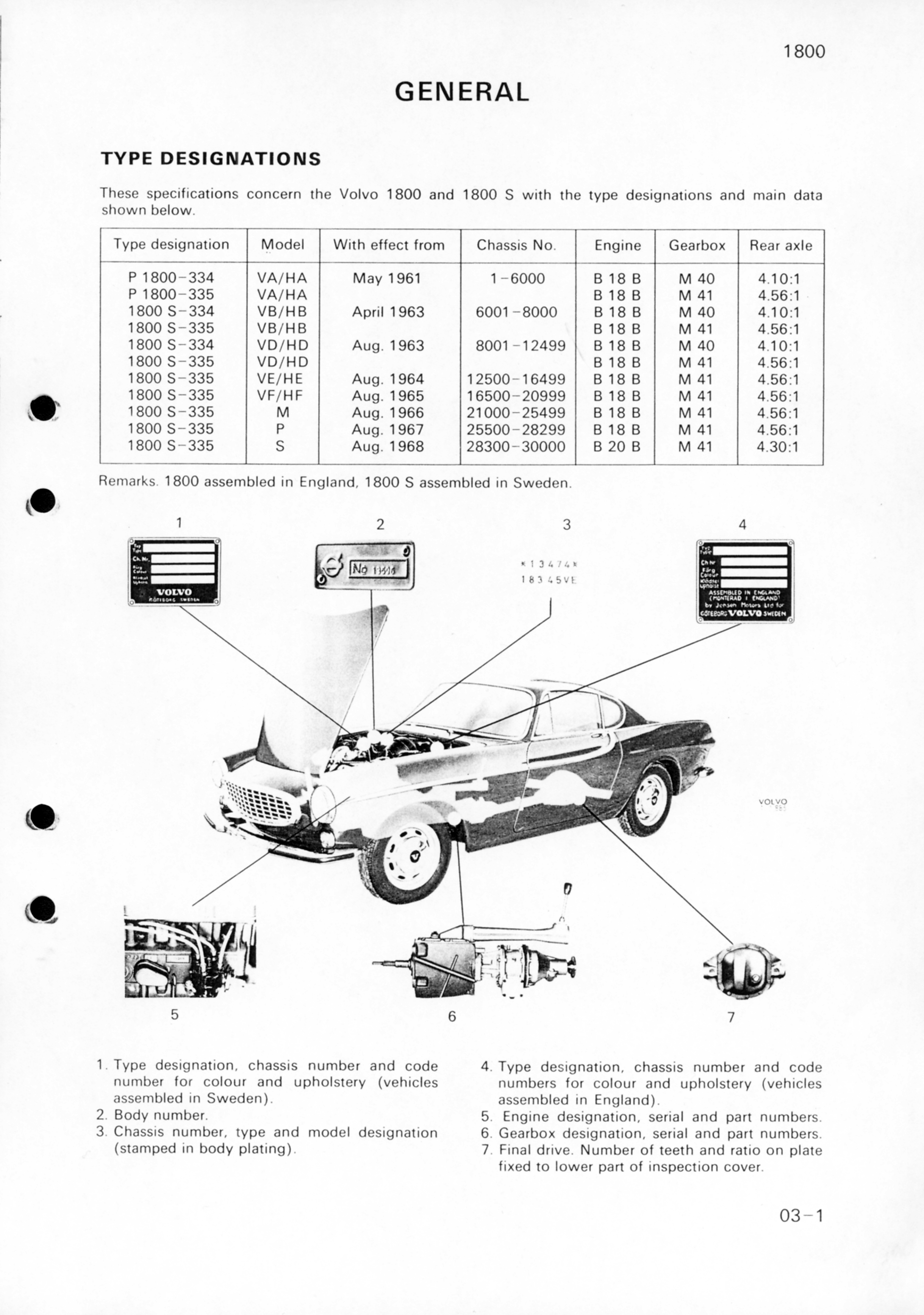
In the process of disassembling the car I found that this 1800S has multiple ID tags, but i’m not sure what they all mean.

VIN number in the RH aft side (ALF = aft looking forward) of the engine bay:

IMG_2053

foto-4-28small29

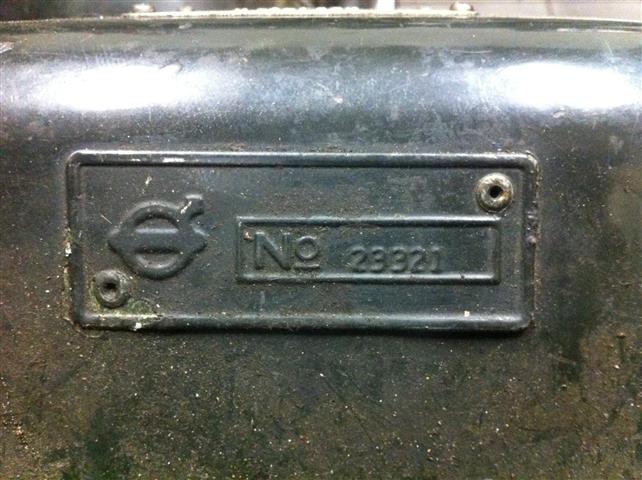
This is the body number. Apparently, this is a manufacture sequence number to help construction of vehicle. Other parts on the car may also have this number written or stamped on the vehicle. But I’m not sure what this means in a practical way. It’s stamped on a plate which is fitted in the LH aft side of the engine bay (see first picture). I’ts almost the same as the VIN number.

Afbeelding

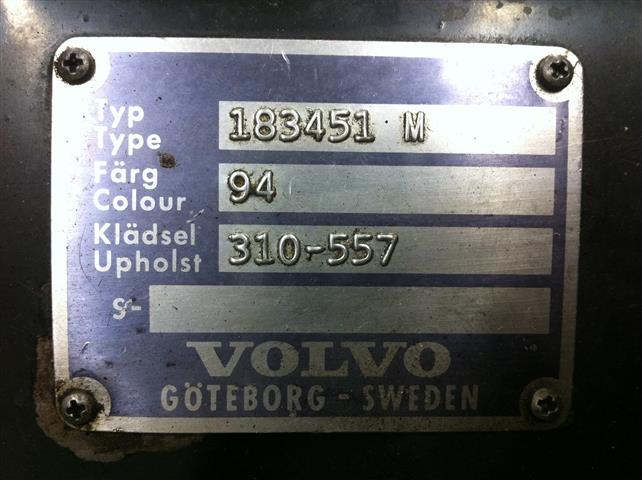
ID tag in the LH aft side of the engine bay with info about type, colour and upholstery (colour of seats, carpet etc.).

Afbeelding

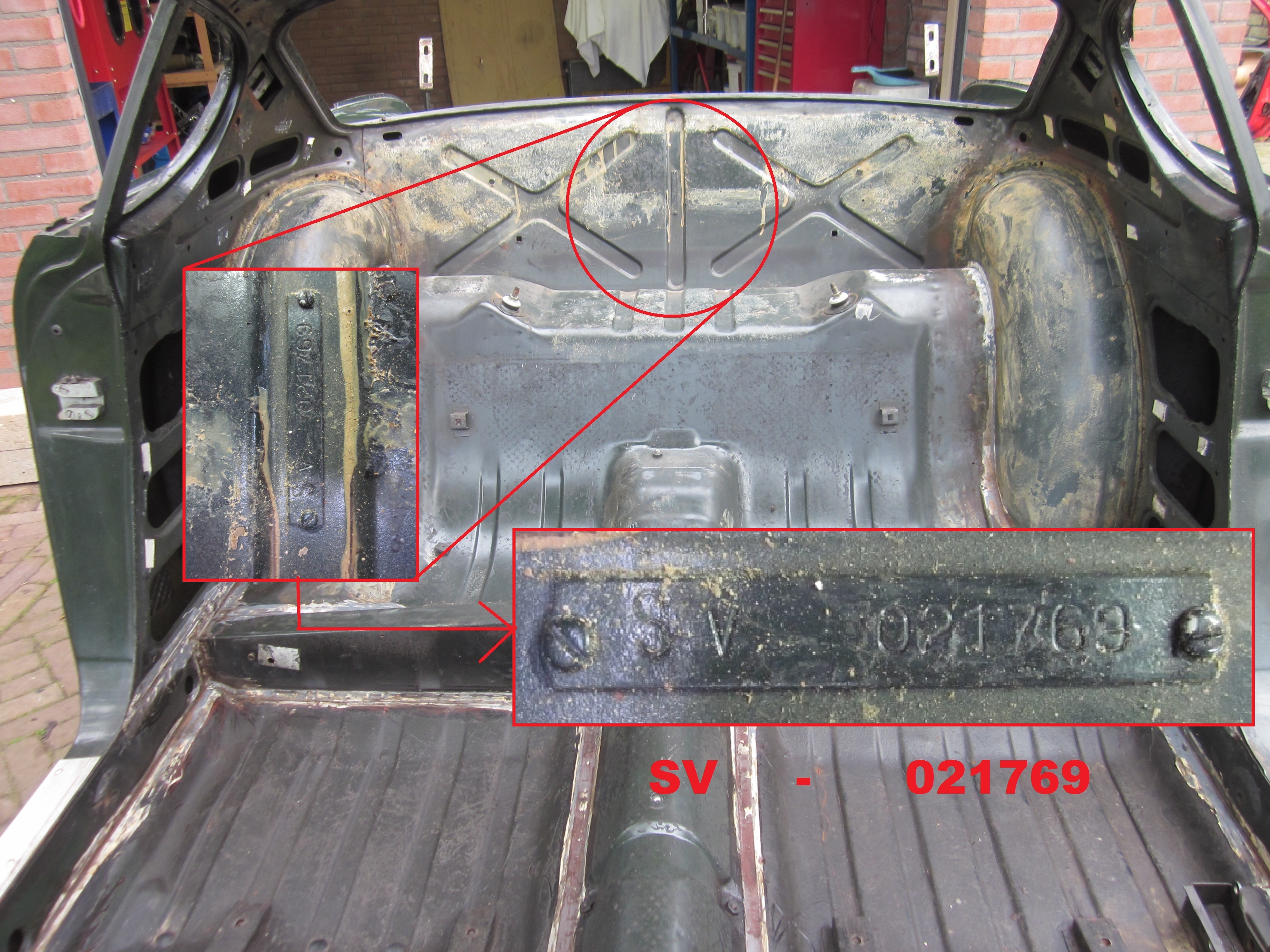
I also found this tag which is fitted behind the backseat, but I have no idea what the number, SV021769, means. Again in kind of looks like a VIN number, but I have no idea what the relation with this number to the actual VIN number of the car would be. It’s also not mentioned in the image with the ID tags below.

IMG_2555

I had sent an email to Volvo Sweden to check if they had more info about my car, and today I got a reaction:

I have research about your car, see below:
 
Model                                             1800
Chassis number                          23424
Type                                                18345
Color                                               94
Upholstery                                   310
District (sold)                               USA
Engine number                           2405
Gearbox number                       313514
Body number                              23321
Report from factory                  9 March 1967
Delivery from factory               12 April 1967
P1800
Above image does not say anything about the SV021769 number behind the backseat, strange. I have asked Volvo Sweden again if they have any idea.

Lots of interior scraping work

Everything is removed from the interior, so finally the real fun work can begin… Removing all the glue, adhesives, sealant, isolation panels, dirt etc etc. Especially the sealant at the seams is really difficult. But working with plastic scrapers, a fire torch and lots of patience does the job. The interior is almost done, just some more sealant at the seams has to be removed.

AfbeeldingAfbeeldingAfbeelding

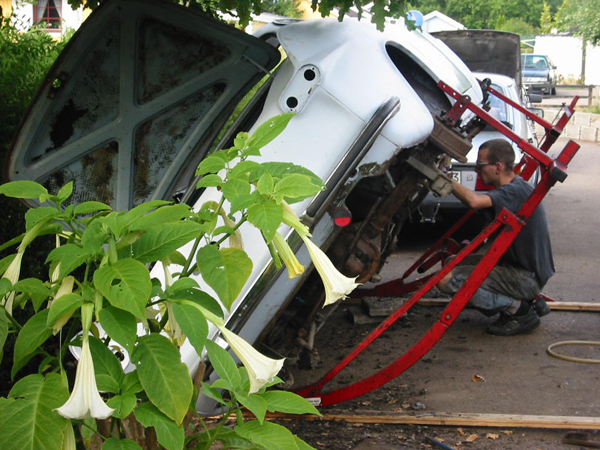
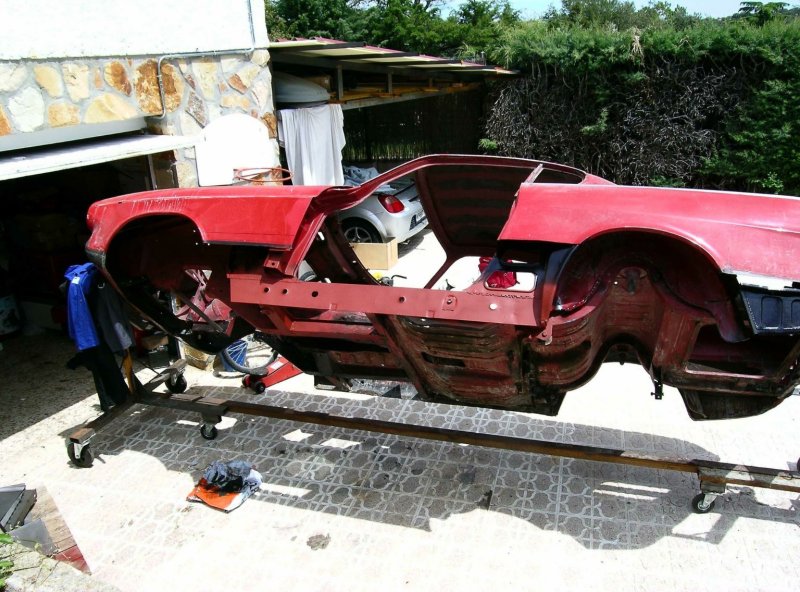
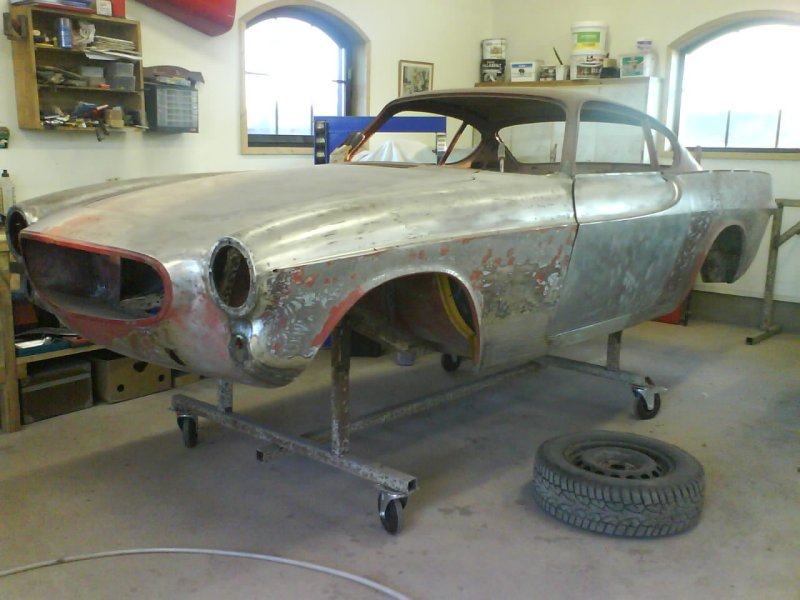
When the interior is finished, I can start with the underside of the car. This will take the most work because underneath the car is completely covered in a 1/2 cm thick layer of tectyl. For this work I have a restoration stand, kinda like as in the image below. It is fitted on the wheel hubs, so the frond and aft suspensions cannot be removed from the car.

Volvo_1800S_66_noc_1073_1

This would even be better, but it would not fit in my garage:

Volvo_P1800_62_70_12588_5

I’m going to fabricage something like this so I can easily move the car:

Volvo_1800S_66_46_2655_4

Or I could just do it without and throw it on its side like this.. 😉

foto (8)

Prepping the engine

I did some extensive cleaning of the engine with solvent and a steel wire brush, quite a messy job.

Afbeelding


OLYMPUS DIGITAL CAMERA

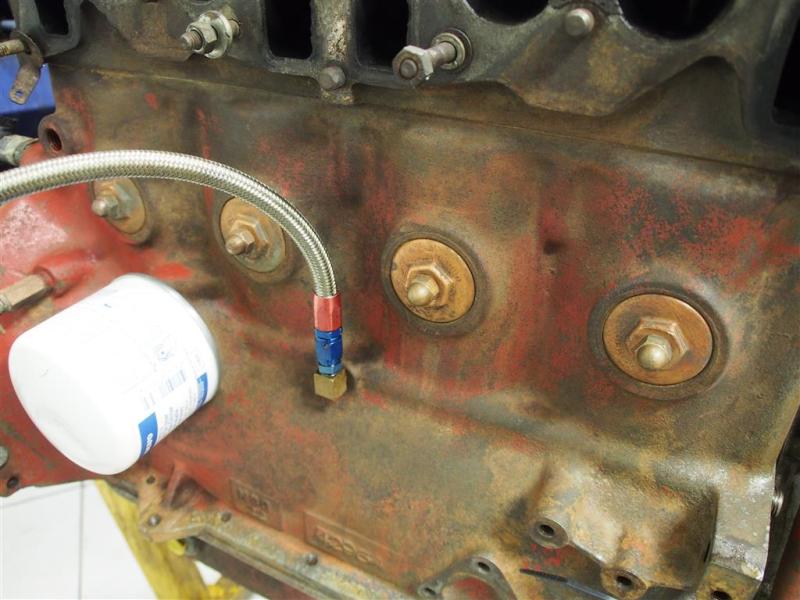
These freeze plugs don’t look very original, I have never seen these kind of plugs. I wonder what the function of the nuts in the plugs are.

Afbeelding


And I got a very nice present today.

foto (6)


A rusty summary

These are the bad spots in the metal of the car which I have found until now. It could be worse, but the car does needs some repairs. As I cannot repair it myself, I have to find someone or a shop who can do the job.

Rust at the RH aft light housing.

Afbeelding


FWD winscreen.

Afbeelding


FWD windscreen RH lower corner.

Afbeelding


FWD windscreen LH lower corner.

Afbeelding

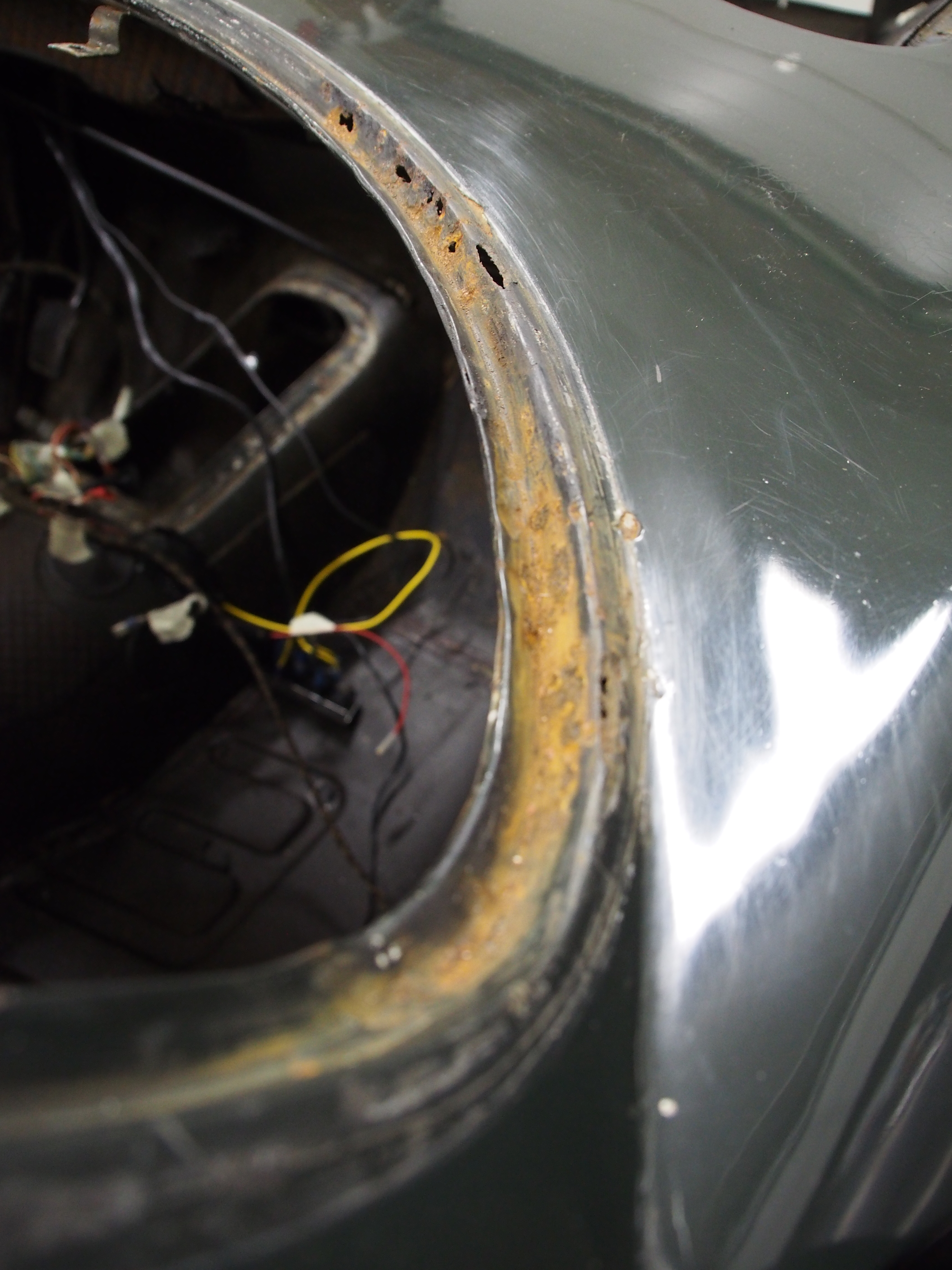
LH headlight housing, inside the front fender. The RH side is a bit the same, beginning rust.

Afbeelding

Afbeelding


Aft windscreen RH lower corner.

Afbeelding


Beginning rust behind AFT fender covers.

AfbeeldingAfbeeldingAfbeelding

Removed headliner and windscreens

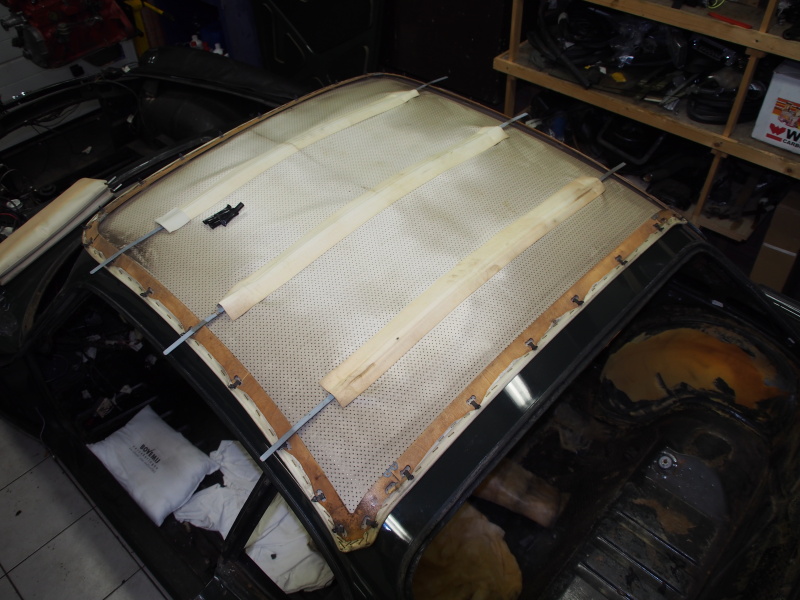
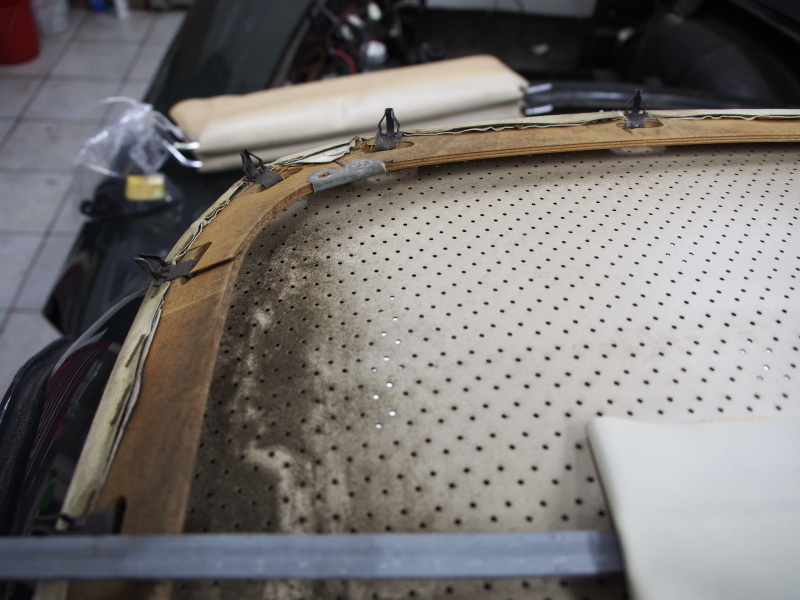
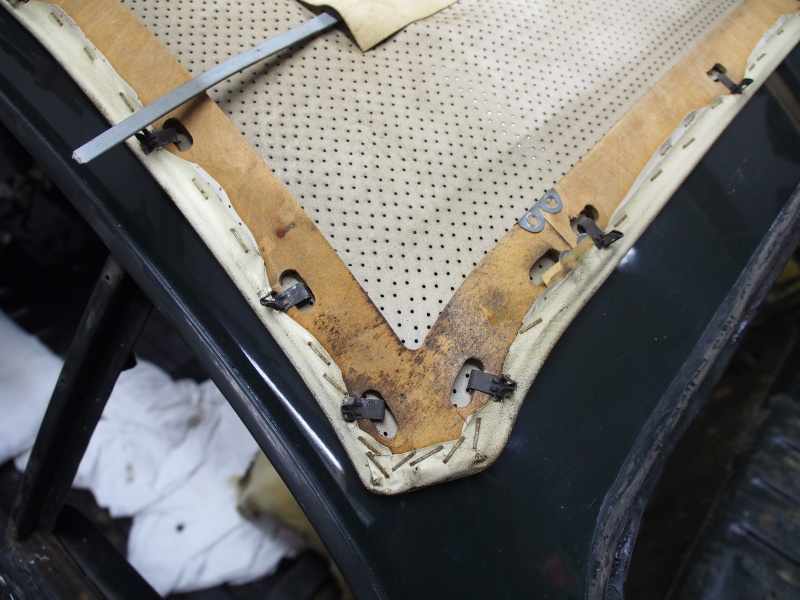
First removed the windscreens and then the headliner. The liner I removed with the help of my brother, this was quite the painstaking job, as the ceiling will damage very easy. The wood all around is 47 years old and consists of 2 layers of glued together fine wood, this because it has to be flexible to fit in the curves of the roof. This glue has deteriorated after 47 years of service and can easily let go when the frame is forced into too sharp bends.

Luckily we removed it almost completely intact. The ceiling does need some attention. Maybe treat the wood with some sort of wood-dye and paint the ceiling? I still have to find out how to do this. Again, luckily there is lots of info to be found on the web about this.

The windscreens where also an easy job. We found some more small rusty spots hiding behind the windscreen rubbers. Again a good indication that this is the right time to take on this job. Next time I will make a summary of the visible rusty spots.

AfbeeldingAfbeelding

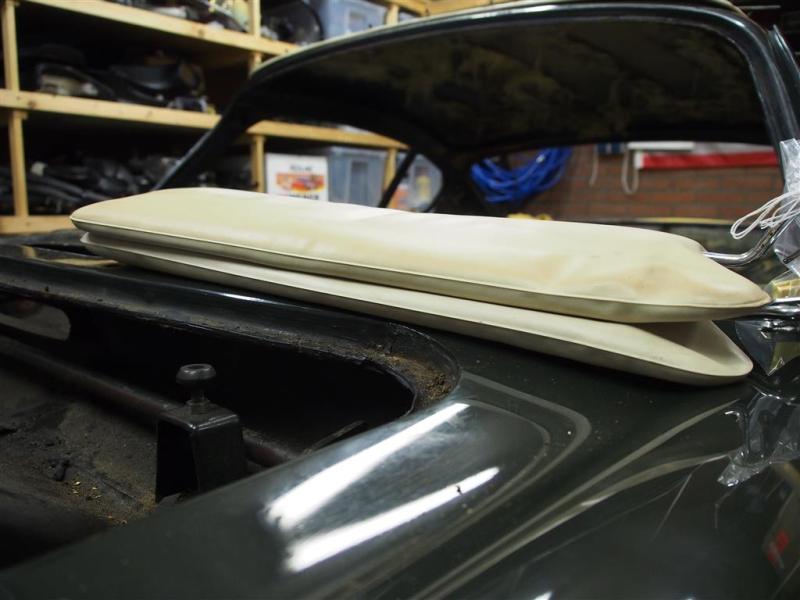
The sunshades are also worn. I read some articles about how to restore them. Apparently you can cut them open and fill them with some sort of foam wich will harden up. This way you can give the sunshades their original form back again. Also see: http://volvo1800s.up2dateprojecten.nl/restauratie/zonnekleppen-ontroesten/

Afbeelding

Here you can see a small damage, the wood has cracked a bit. Not a big problem I guess.

AfbeeldingAfbeeldingAfbeelding

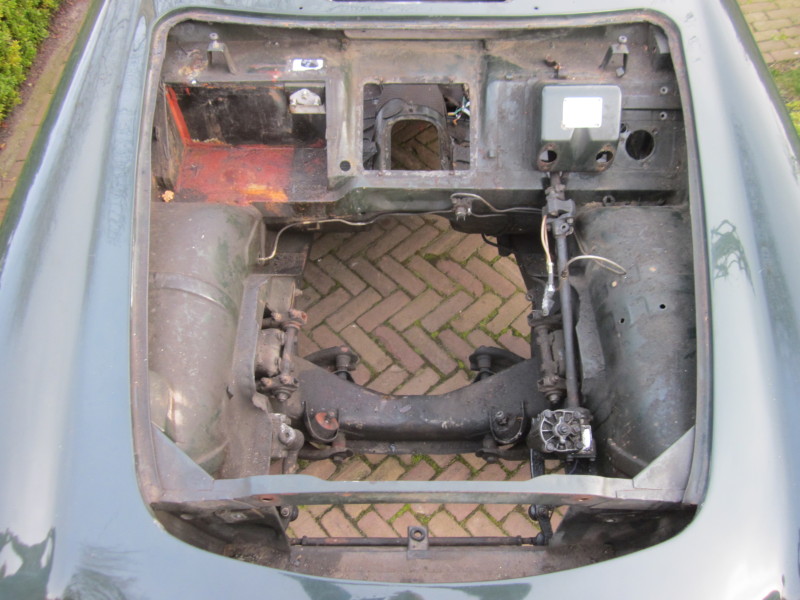
Removed engine and transmission

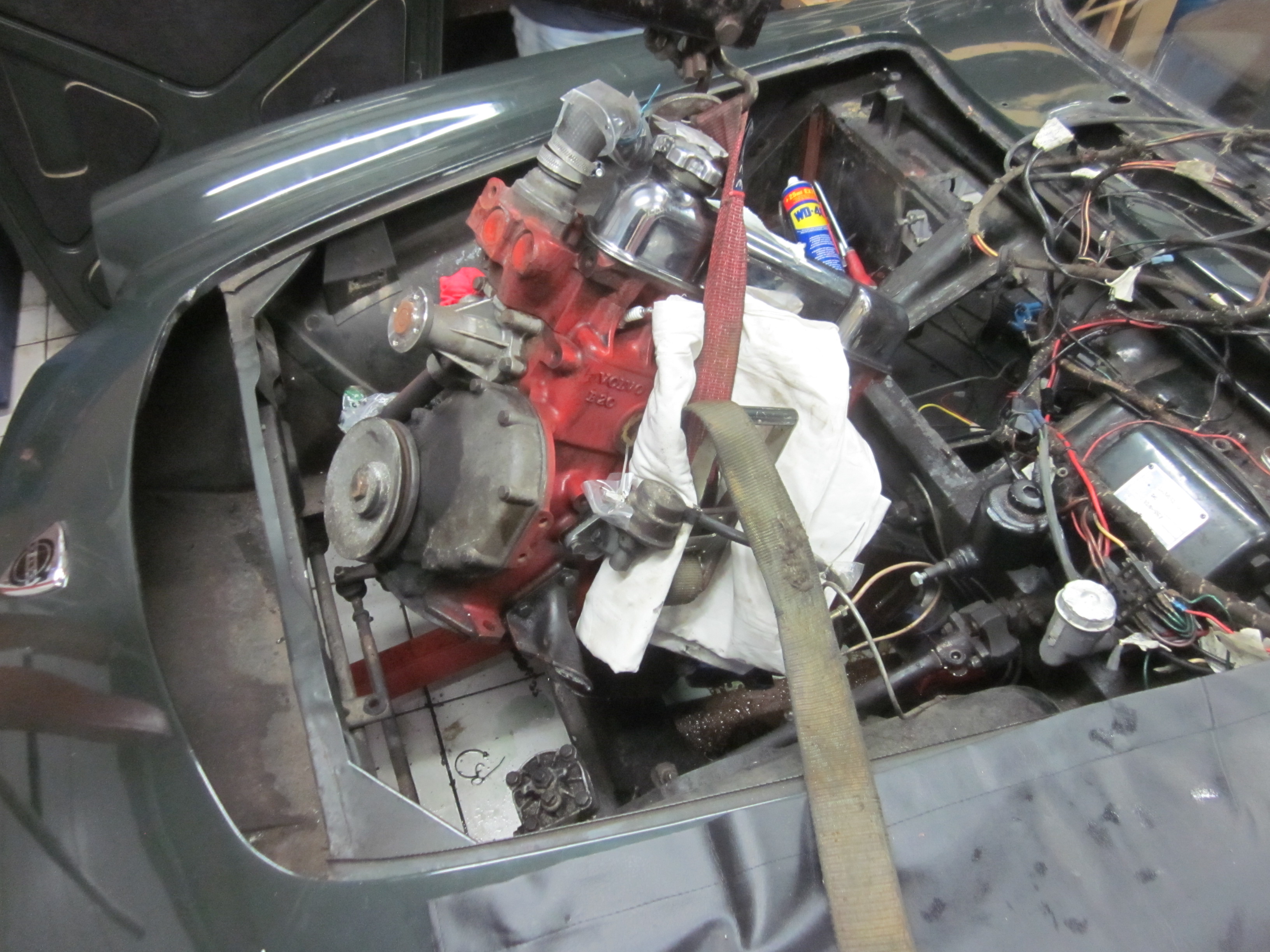
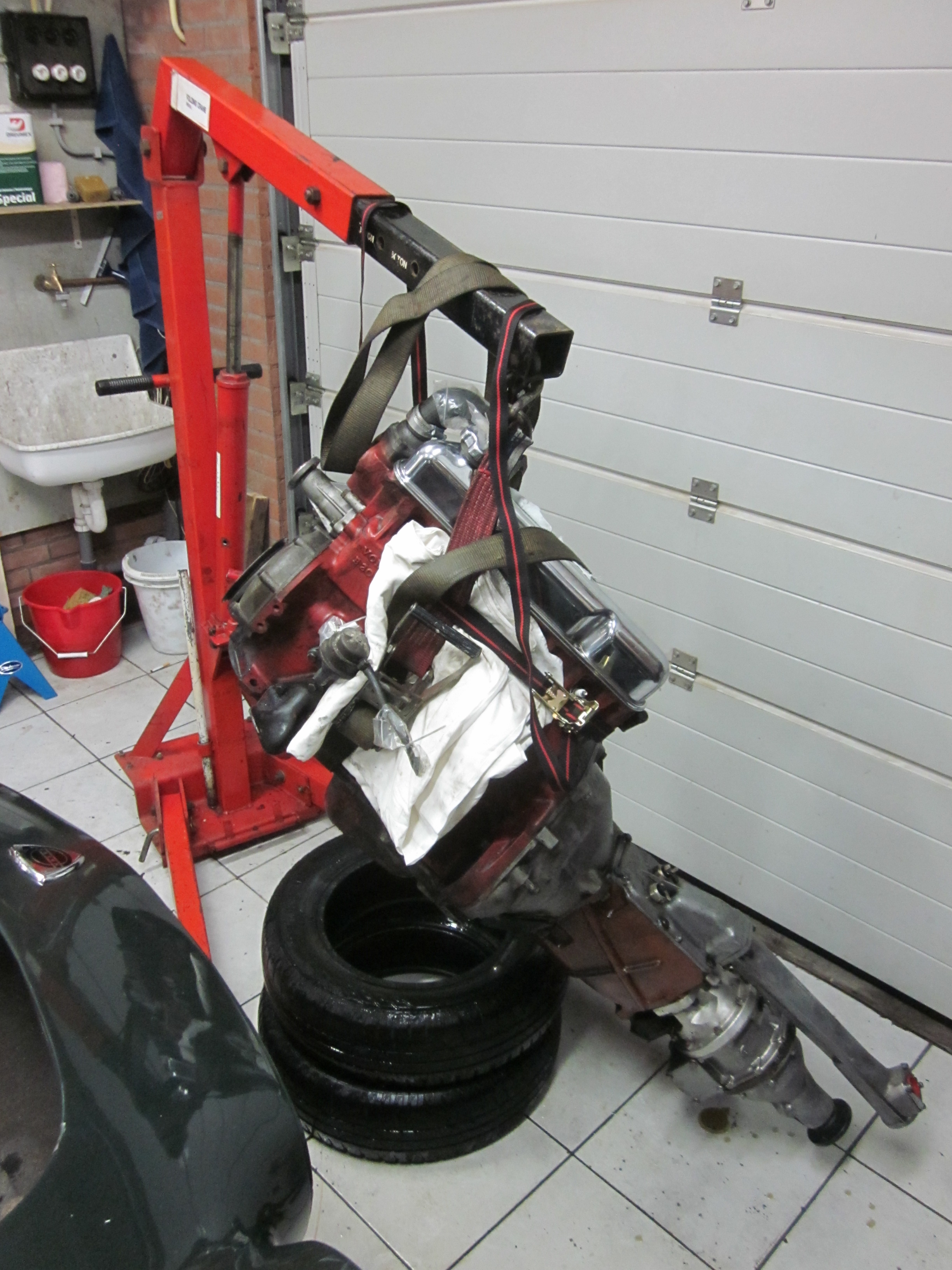
Engine and transmission are removed in one piece with the help of my brother. It was quite an easy job.

AfbeeldingAfbeeldingAfbeeldingAfbeelding

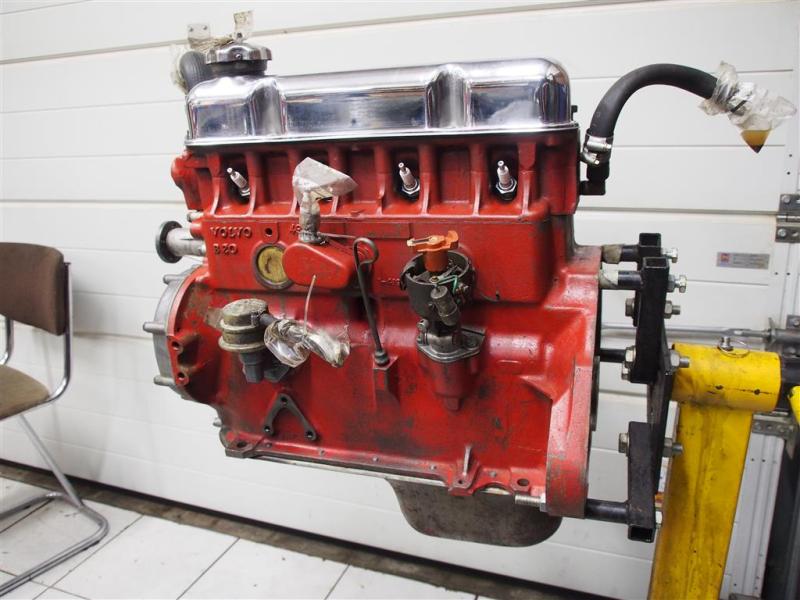
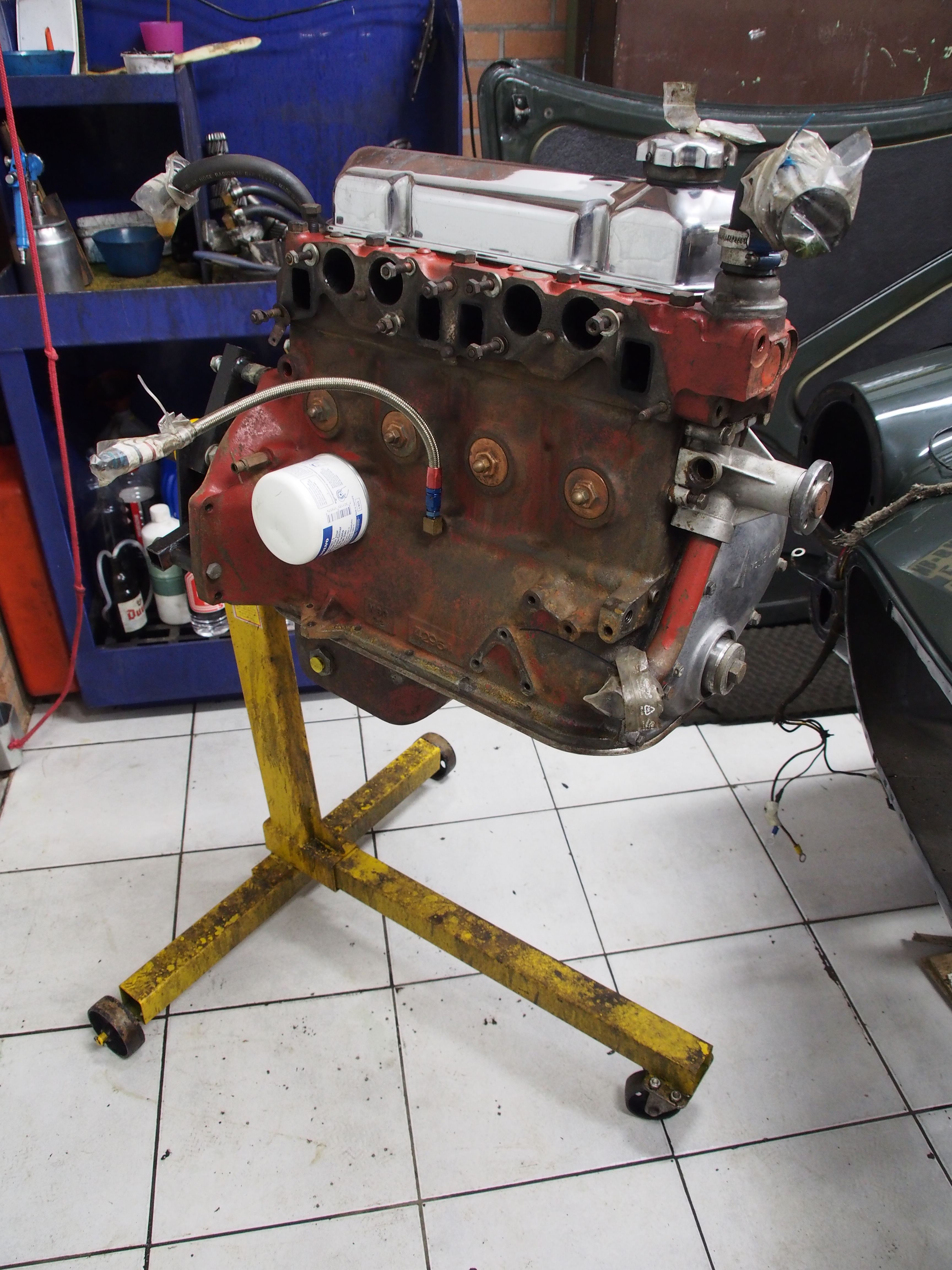
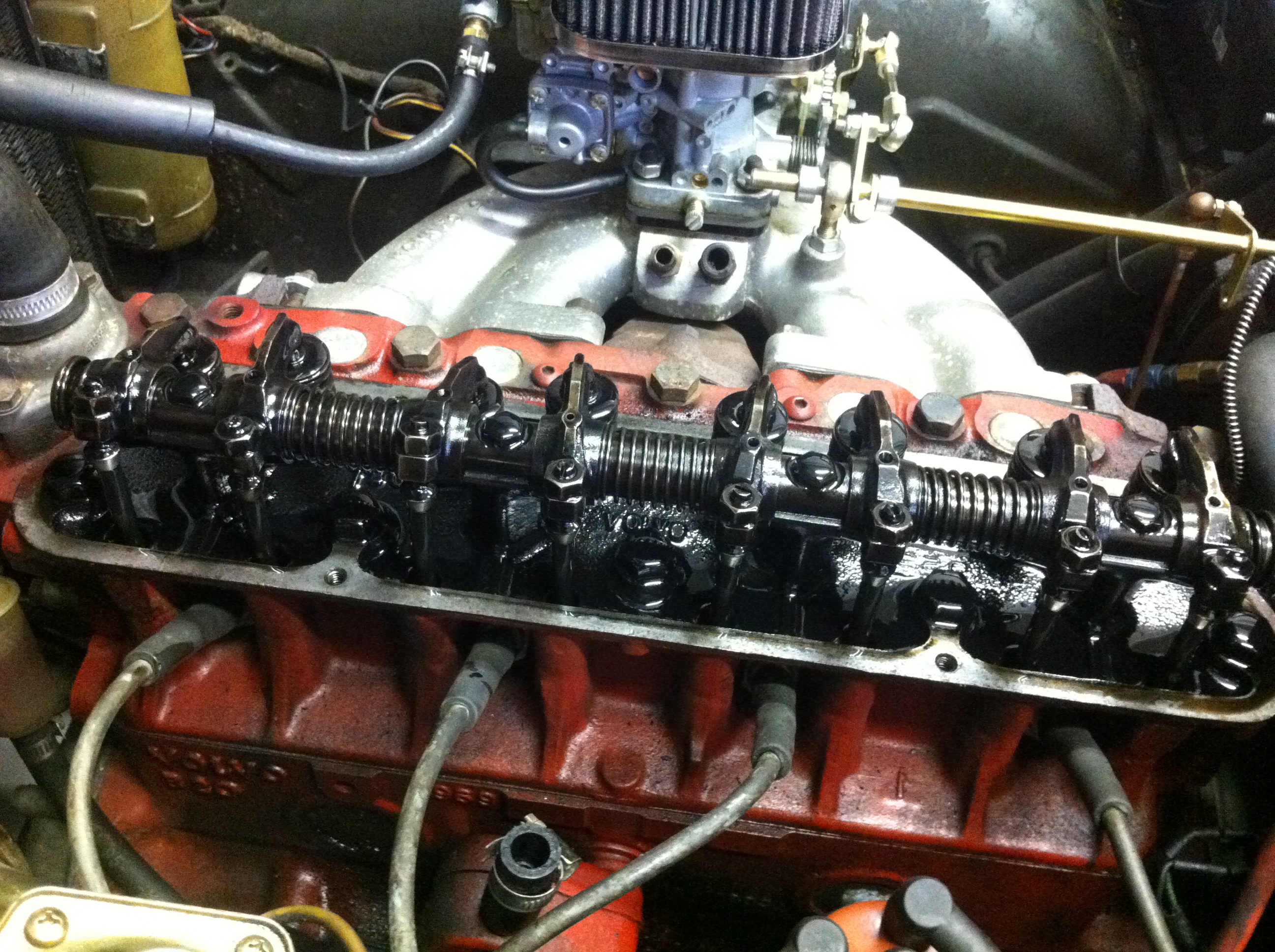
Placed the engine in an engine stand. The engine will not require much work as it has been overhauled completely some years ago so I will just do some small work to it. New paint, new freeze plugs (one was leaking), new water- and fuel pump, some new packings and seals and some new hoses. During some time they replaced the original B18 engine with a B20. This is a B20 with an E head (you can see the capped off injector holes). This engine has a bit more power due to bigger valves and more compression, the last taxation report stated ‘aprox 140HP’. This also means unfortunately no matching numbers for the engine. The trans is still the same unit at it left the factory with.

Afbeelding

foto 2

Dash and wire loom

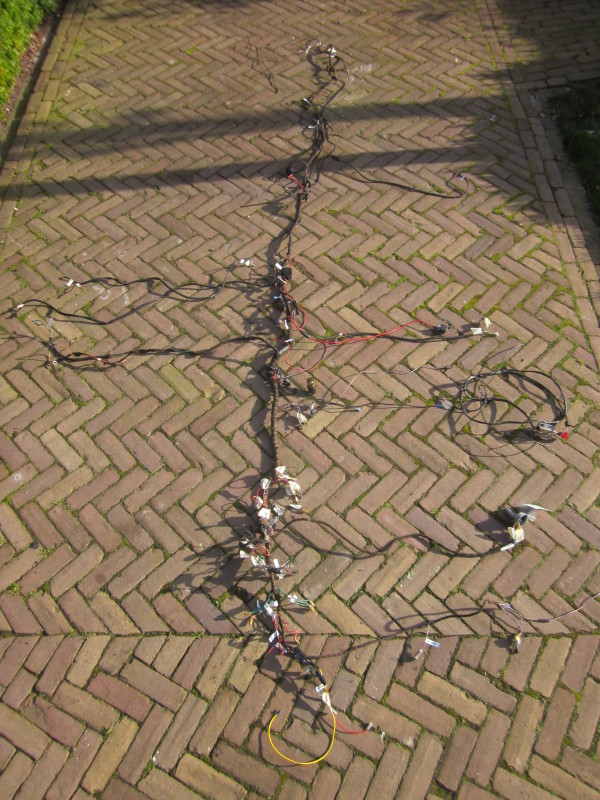
I removed the dash and labeled the wire loom, quite a job! The wire loom still has to be removed from the car, this is a bit difficult due to the small hole in the firewall through wich the loom has to be pulled. The wire loom is in a bit of a bad shape, I’ll have to see if I’m going to fix it or go the lazy and expensive path and buy a new one.

Afbeelding

Removed some more parts

The removing more parts process is going pretty fast as it is a not very difficult job. The most important thing is to make pictures and label everything. Removing the engine will be easy with this much space in the engine bay. I also did some labeling of the main wire loom.

Afbeelding

Afbeelding


Removed the fuel tank. No rust to be found here.

Afbeelding

Afbeelding

The doors are also stripped and removed. No rust to be found here.

IMG_1899

IMG_1927


Due to a tip on http://www.volvokv.nl I read that the shock towers of the front suspension are prone to cracking with higher mileages. I found that this car has allready been repaired, some welds are visible along with an extra reinforced piece of metal on top of the towers. Thats a good thing.

Afbeelding